Guides
Ontario Farmers Market Hot Sauce: Permits, Labels and Records
What an Ontario hot sauce maker needs to sell at a farmers market: public health approval, the market board's vendor terms, bilingual labels, the pH 4.6 line and batch records. Fees vary, so ask.
A stall booking is not an approval to sell
Selling hot sauce at an Ontario farmers market involves two separate decisions. The local public health unit decides whether the food operation is acceptable, and the market board decides whether you may rent a place. A booking from the board does not settle the first question.
No single "farmers market permit" covers both. In practice you ask the health unit what it requires, ask the board for its written vendor terms, and then check the federal label rules. A production plan helps put these checks in a workable order.
Who Regulates Your Sauce
- Public health unit: inspects stalls and premises
- Ontario Regulation 493/17: sets food safety rules
- Market association: adds stricter vendor agreement
- Out-of-province sales: federal licensing switches on
Public health approval and the market board
Ontario health units inspect food premises under Ontario Regulation 493/17, made under the Health Protection and Promotion Act. Some low-risk foods are treated more lightly at markets, so ask the unit how it classes an acidified sauce before assuming any exemption.
The market board applies its own vendor agreement. It may ask for proof of liability insurance, a vendor application and a stall fee. Amounts vary by municipality and season, so request the current terms in writing rather than relying on a figure from another market.
The kitchen has to be approved
Ask the health unit to assess the proposed kitchen before relying on it. Ontario's food premises rules do not clearly exempt a home sauce business. Some units allow home-based food businesses, but these generally concern low-risk foods, and acidified sauce rarely qualifies.
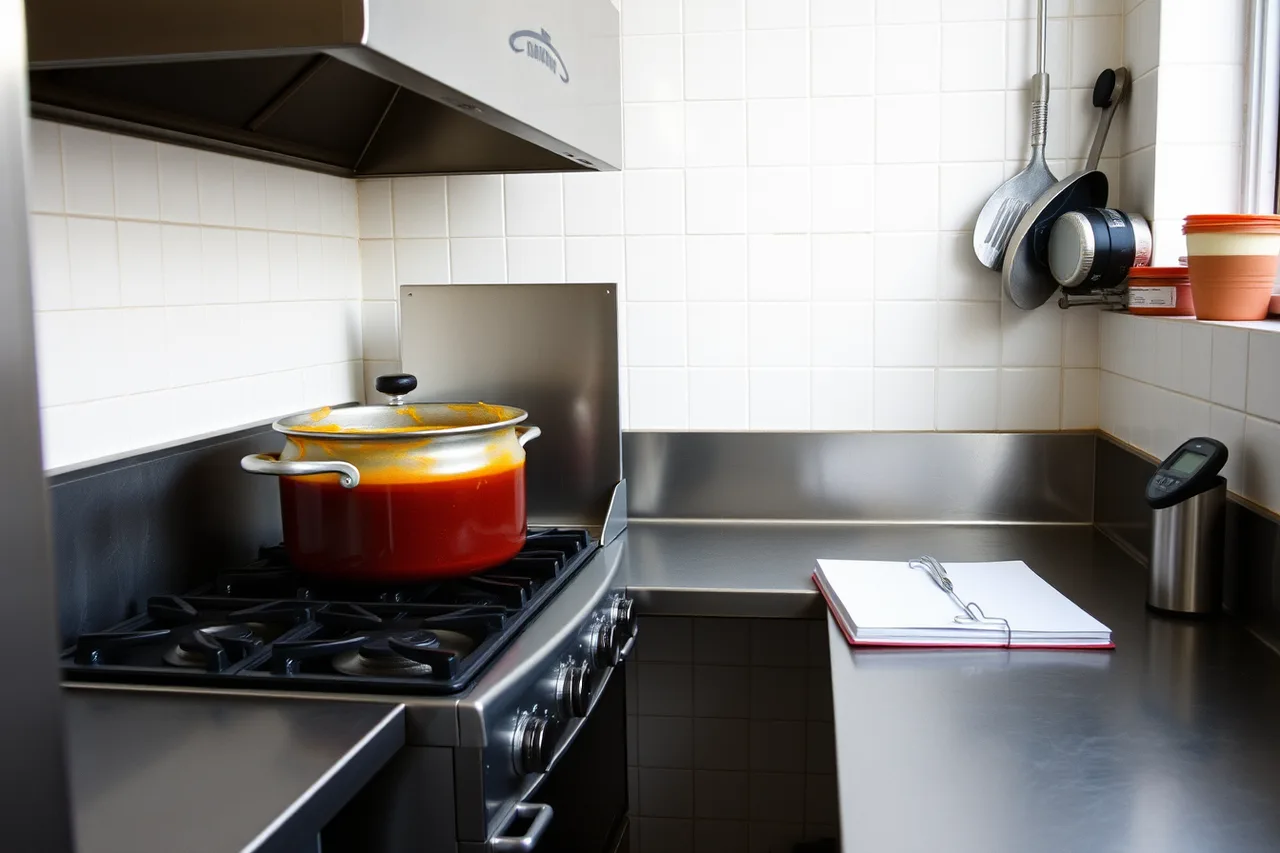
That usually means a commercial kitchen or shared incubator. The unit also expects documentation that the kitchen is inspected, along with records showing who cleaned it and when. Resolve the kitchen question before treating any jars as ready for market.
What the jar label must show
The federal label rules apply to any sale, including a market stall. Mandatory information must appear in English and French. A narrow exemption exists for foods sold only locally, but it depends on the language makeup of the area, so confirm eligibility with the CFIA before relying on it. Check Canadian label requirements before ordering labels.
| Label check | What to confirm |
|---|---|
| Common name | A recognized description, such as hot sauce, rather than a slogan |
| Net quantity | Metric units, in the same field of view as the common name |
| Ingredient list | Descending order by weight, with priority allergens named |
| Responsible party | Seller name and principal place of business |
| Best before date | Required when the durable life is 90 days or less |
| Language | Mandatory information in English and French |
A shelf-facing checklist can help review details such as the label and net quantity before products reach the table.
Batch records and the pH line
The batch file should show that each jar on the table came from a documented batch. It needs dated pH readings tied to a batch number and the meter used, a written recipe process with cook time and acid added, and sanitation notes for the kitchen and stall. Keep receipts for jars, caps and produce, plus food handler certification for the person running the table if the health unit asks for it.
Inspector Records Checklist
- Batch pH readings with date and meter
- Written process for each recipe
- Sanitation log for kitchen and stall
- Supplier receipts for jars and produce
- Food handler certification for stall operator
The number the log is judged against is pH 4.6, the dividing line Canadian federal guidance uses between acid and low-acid foods. A hot sauce sold as an acidified product stays at or below it. Many makers set a written target well under 4.6 to leave room for meter error. A reading above the line means the batch is held and reviewed, not sold.
A memory of how acidic the sauce tasted cannot replace a reproducible pH entry. Record readings with a calibrated meter and keep them with the batch number. A production tasting check may address sauce drift, but it does not replace the pH record or the dated measurement in the file.
Who sets which rule
Three federal laws sit behind the label table. The Food and Drugs Act and the Food and Drug Regulations set the bilingual, ingredient, allergen and best-before requirements, and the Canadian Food Inspection Agency enforces them. The Consumer Packaging and Labelling Act and its regulations cover the metric net quantity and the seller's name and address.
The Safe Food for Canadians Regulations add licensing and traceability when sauce crosses a provincial border. A maker who needs that licence applies through the CFIA's online My CFIA account. Sales limited to Ontario follow the provincial and municipal system described above, so check the intended sales area before accepting orders from other provinces.
Public health units are organized by region, so the unit depends on where the market sits. A market in Toronto falls to Toronto Public Health, one in Ottawa to Ottawa Public Health, and one in Peel Region to Peel Public Health. The market's municipality tells you which unit to call.
What happens without the paperwork
If the approval, label or records are missing, the health unit can order products removed, close the stall or require jars to be destroyed. A conviction under the Act can bring fines, and the board may cancel a vendor place for the rest of the season.
No single retention period applies to batch logs, so ask the unit how long it wants them kept. A sensible working rule is to keep each batch file at least as long as the sauce's shelf life plus the rest of the selling season. Use lot-code checks to connect finished jars with a documented batch.