Condiment brand case studies reviews: how to run them
Condiment brand case studies reviews: buy the full range at retail, verify organic claims, read testimonials and separate what sold from what was good.
Condiment brand case studies reviews: buy the full range at retail, verify organic claims, read testimonials and separate what sold from what was good.
Matching equipment to the sauce you actually make: pairing machinery with product, which kettle, mill and filler suit thin, thick, particulate or emulsified sauces.
Commercial sauce equipment tasting protocol for makers: control variables, calibrate instruments, score batches blind, and check process requirements.
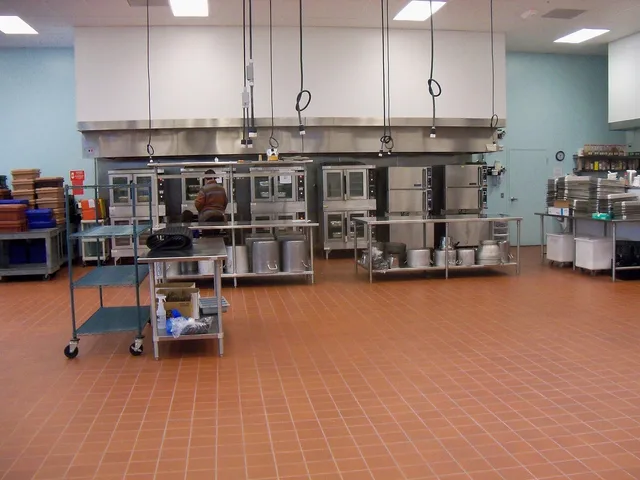
Commercial sauce equipment reviews need a repeatable method: assess cleanability, usable capacity, traceability, documentation and sauce-process fit.
Commercial sauce equipment storage goes wrong when residue hides in gaskets, hoses and valve seats. Here is why a stored part spoils the next batch.
Buying small batch sauces at a distance: what a listing must disclose, how origin labeling works, shipping risks in heat and cold, and returns worth checking.
How to judge independent sauce brands: buy the same sauce twice months apart, weigh equal samples, compare labels and keep a record of what holds steady.
What a buyer can check without opening a jar, which faults justify pulling stock, and how to raise a problem with a maker so it actually gets fixed.
Sauce making mistakes as they show up in subscription boxes: six recurring faults, how to tell a maker fault from a shipping one, and how to report it.
Plan condiment product development labels around the locked recipe, FDA rules, nutrition facts, allergens, and printer milestones before artwork goes to press.
Six independent condiment and spice brands worth a shelf slot, what each one does well, and how to judge the rest of the labels without the sales copy.
Sensory work during development: separating descriptive panels from preference tests, benchmarking against the product you must beat, and validating your method.
Overview of condiment product development storage study design: failure criteria, batch comparisons, storage conditions, measurements, and limits of testing.
A retail checklist for stocking hot sauce: how to build landed cost, choose a supply route, check a maker's FDA filings and terms, and judge weekly sales.
Three box models, how shipping decides the value of heavy glass, and the questions to ask about renewal, jar size and paid placements before you subscribe.
Baltimore-style and Cajun blends, weighed gram for gram, salt-corrected and blind-coded, so the tin you buy next is the one you actually prefer.
Specialty seasoning ideas and pairing ideas built on bridge, contrast and echo, plus when to add the blend and how to record a pairing that works.
Reading a spice blend label: the three declarations that are legally required, what the organic categories mean, and which words carry no meaning at all.
Retailer checklist for stocking artisan condiments: what a buyer should verify before a small condiment line goes on the shelf, labels, net contents, insurance.
What each American blend style family is built to do, its usual price range per gram, five criteria for judging value, and which label claims hold up.
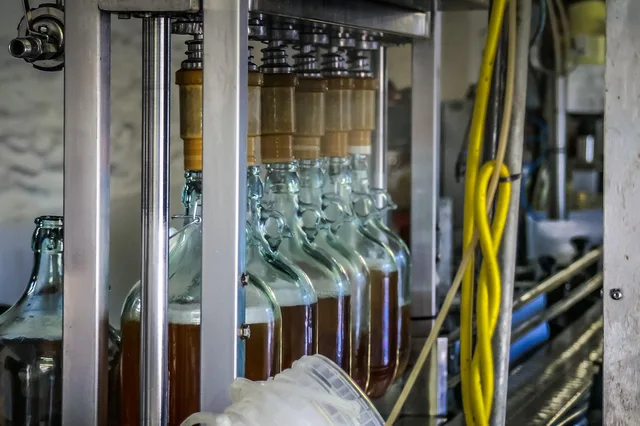
Hot sauce production equipment in buying order and what to check: NIST scale classes, kettles, fillers, the FDA process filing, bottles and chillies.
Setting up production tasting that catches drift: retained reference jars, blind triangle tests, a fixed vocabulary and records that survive staff turnover.
Tasting dry blends is not tasting sauces. Here is the dose first method, the three carriers to use, and how to record a result you can repeat next month.
Why seasoning blends fade and when they become unsafe: moisture, heat, light and oxygen, plus the mold toxin risk that makes dry storage a safety question.
American spice blends buying starts at the label: declared net quantity, price per gram, ingredient order, bioengineered disclosure, packaging and dates.
A buyer's read on a small batch jar: lot codes, the responsible party, net quantity, the organic seal, and which questions separate real answers from copy.
What venues weigh when buying prep equipment: footprint, cleaning time, who can operate it, financing options and the training that decides whether it gets used.
For condiment brand case studies, separate records from recollection, account for survivorship bias, and state what one maker's story can—and cannot—prove.
Home hot sauce cottage food rules: selected state sales caps, pH and water activity limits, permits, and when a licensed kitchen is required.
Learn how trademark, FTC, FDA, and state rules apply to regional spice blends, including Cajun, Tex-Mex, and Santa Maria names and origin claims.
Brooklyn artisan food manufacturing overview: production models, named makers, retail terms and NYC licensing for sauce and condiment brands.
The four supplier types independent sauce brands makers rely on: grower, packer, glass, label. How to find backups and what questions test each.
Independent sauce brands trends: lessons on anchor dishes, sourcing, sales channels and documentation from familiar names on the condiment shelf.
Independent sauce brands companies: we will not hand you sixteen names we cannot verify. Here is a repeatable method for finding independent sauce brands near you.
For sauce making mistakes brands face, match the question to the right source: research, state metrology labs, extension services and process authorities.
Independent sauce and spice brands ranked for 2027, with what each one makes, where it sells, and the reason it earns its place on the list.
How to find comparable hot sauce operations and learn from their numbers, described by operating type rather than by names we cannot independently verify.
What a small sauce production day actually looks like, from pre run checks and sanitation through filling, coding and the records that close the batch out.
Small batch sauce production trends are hard to measure with broad data. Track ingredient, packaging, co-packer, and buyer signals instead.
American spice blends makers can use this process primer to check incoming spices, grind and mix to formula, control allergens, and keep buyer-ready records.
Shifts a spice buyer can actually observe: organic supply and premiums, where organic sells, single origin claims, salt reduction and shrinking pack sizes.
Origin stories sell condiments. Here is how to tell a documented history from a marketing paragraph, and which public records will confirm or deny it.
Specialty seasoning ideas businesses can test for foodservice, from citrus-chile salt to sesame-ginger blends, with checks for consistency, allergens and use.
How to run condiment brand case studies: set one question, confirm the legal facts from public records, agree what can be published, and build a dated timeline.
A US sauce brand selling into Canada needs bilingual labels, a licensed importer, CFIA-compliant recipes and clean USMCA origin paperwork before freight moves.
FDA Food Facility Registration starts the compliance stack for a US sauce kitchen, followed by FSMA preventive controls, cGMP and label rules.
Austin co-packing tiers for small-batch sauce, plus the Austin Public Health permit fees, booth and label rules and food handler steps for market vendors.
GS1 US barcodes, GTIN assignments, case codes, product data and labels help independent sauce brands prepare for specialty-retail buyers and distributors.
Sauce making mistakes: how to catch faults early with coded samples, an unchanged reference, shared terms, and a checklist for tracing defects to process steps.
The stage gates of condiment development, from brief and bench work through pilot runs, process review and launch, with the decisions that belong at each gate.
This artisan condiments how to guide gives you six named hot sauces in a suggested tasting order, plus a neutral-carrier method and reusable notes.
What artisan means on a condiment jar, which label claims can be checked against a public program, and how small makers legally get a sauce onto a shelf.
Small batch sauce production planning in order: pick your legal route, get a process authority letter, register, cost the run, then make the first batch.
What to ask five suppliers before you cost a hot sauce line, why each quote needs three volumes, and how to line the answers up on one sheet.
Independent condiment brands differ by channel, pack size and who does the work, so compare ratios and shelf-life dates instead of raw prices.
Co-packing vs self-manufacturing in the US: what co-packer minimums, run sizes, kitchen buildout costs, state loans and regional rates really look like.
Sauce making mistakes named, from acidification and hot-fill hold to seal and label faults, plus the bench-to-shelf stage ladder and five low-cost controls.
A hot sauce production budget in three blocks: what is fixed, what moves with volume, a worked break-even at three run sizes and the process authority step.
How to compare artisan condiments: unit price from the net quantity, cost per serving, what each price tier buys and where the money goes before the sauce.
What separates a cheap hot sauce from an expensive one: chilli form, acid choice, thickeners, run size and packaging, plus how to compare bottles honestly.
San Francisco artisan condiments face real buyer tests: single-origin proof, organic certification, small-batch labels and shelf-ready price points.
Louisiana pepper sourcing runs on named varieties, tight harvest windows and Gulf weather, and those three set hot sauce recipe timing and pricing.
Small batch sauces are concentrated and easy to overuse. Five serving methods that keep a plate balanced, plus how to judge dose and when to hold the bottle.
Seventeen specialty seasoning ideas grouped by the job they do, plus how to source unusual ingredients and what to settle before a blend becomes a product.
A guide to changing one element of familiar American spice blends, with notes on toasting, chilies, grind size, salt, variety labeling and seed supply.
Nine practical moves for a small sauce line, from seasonal single ingredient runs to shared kitchen scheduling, grant funded projects and byproduct rescue.
Sauce making mistakes recur during scale-up, packaging changes, and substitutions. See practical controls and U.S. food-safety rules for small-batch makers.
Industry
For condiment brand case studies, separate records from recollection, account for survivorship bias, and state what one maker's story can—and cannot—prove.
Reviews
Commercial sauce equipment reviews need a repeatable method: assess cleanability, usable capacity, traceability, documentation and sauce-process fit.
Industry
Home hot sauce cottage food rules: selected state sales caps, pH and water activity limits, permits, and when a licensed kitchen is required.
Features
San Francisco artisan condiments face real buyer tests: single-origin proof, organic certification, small-batch labels and shelf-ready price points.
Guides
A US sauce brand selling into Canada needs bilingual labels, a licensed importer, CFIA-compliant recipes and clean USMCA origin paperwork before freight moves.
Guides
FDA Food Facility Registration starts the compliance stack for a US sauce kitchen, followed by FSMA preventive controls, cGMP and label rules.
Guides
How to run condiment brand case studies: set one question, confirm the legal facts from public records, agree what can be published, and build a dated timeline.
Costs
Independent condiment brands differ by channel, pack size and who does the work, so compare ratios and shelf-life dates instead of raw prices.
Reviews
Condiment brand case studies reviews: buy the full range at retail, verify organic claims, read testimonials and separate what sold from what was good.
Reviews
Matching equipment to the sauce you actually make: pairing machinery with product, which kettle, mill and filler suit thin, thick, particulate or emulsified sauces.