Reviews
Condiment brand case studies retail: what to ask
Condiment brand case studies retail chapters: what to ask about the first listing, the terms, disclosure rules and the program support behind growth.

Section
Reviews
Condiment brand case studies retail chapters: what to ask about the first listing, the terms, disclosure rules and the program support behind growth.
Reviews
Condiment brand case studies reviews: buy the full range at retail, verify organic claims, read testimonials and separate what sold from what was good.
Reviews
Matching equipment to the sauce you actually make: pairing machinery with product, which kettle, mill and filler suit thin, thick, particulate or emulsified sauces.
Reviews
Commercial sauce equipment tasting protocol for makers: control variables, calibrate instruments, score batches blind, and check process requirements.
Reviews
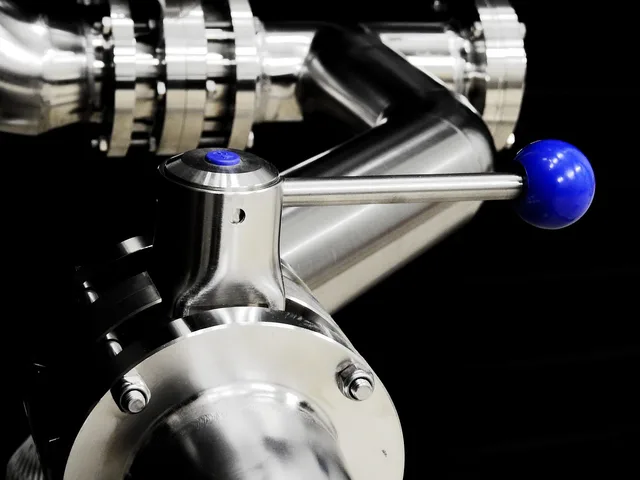
Commercial sauce equipment reviews need a repeatable method: assess cleanability, usable capacity, traceability, documentation and sauce-process fit.
Reviews
Commercial sauce equipment storage goes wrong when residue hides in gaskets, hoses and valve seats. Here is why a stored part spoils the next batch.
Reviews
Buying small batch sauces at a distance: what a listing must disclose, how origin labeling works, shipping risks in heat and cold, and returns worth checking.
Reviews
How to judge independent sauce brands: buy the same sauce twice months apart, weigh equal samples, compare labels and keep a record of what holds steady.
Reviews
What a buyer can check without opening a jar, which faults justify pulling stock, and how to raise a problem with a maker so it actually gets fixed.
Reviews
Sauce making mistakes as they show up in subscription boxes: six recurring faults, how to tell a maker fault from a shipping one, and how to report it.
Reviews
Plan condiment product development labels around the locked recipe, FDA rules, nutrition facts, allergens, and printer milestones before artwork goes to press.
Reviews
Six independent condiment and spice brands worth a shelf slot, what each one does well, and how to judge the rest of the labels without the sales copy.
Reviews
Sensory work during development: separating descriptive panels from preference tests, benchmarking against the product you must beat, and validating your method.
Reviews
Overview of condiment product development storage study design: failure criteria, batch comparisons, storage conditions, measurements, and limits of testing.
Reviews
A retail checklist for stocking hot sauce: how to build landed cost, choose a supply route, check a maker's FDA filings and terms, and judge weekly sales.
Reviews
Three box models, how shipping decides the value of heavy glass, and the questions to ask about renewal, jar size and paid placements before you subscribe.
Reviews
Baltimore-style and Cajun blends, weighed gram for gram, salt-corrected and blind-coded, so the tin you buy next is the one you actually prefer.
Reviews
Specialty seasoning ideas and pairing ideas built on bridge, contrast and echo, plus when to add the blend and how to record a pairing that works.
Reviews
Reading a spice blend label: the three declarations that are legally required, what the organic categories mean, and which words carry no meaning at all.
Reviews
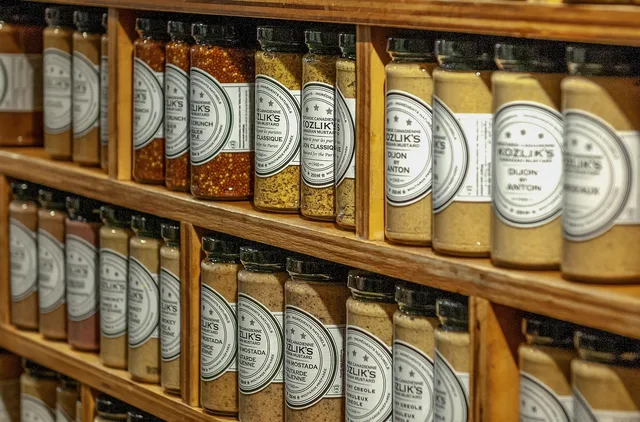
Retailer checklist for stocking artisan condiments: what a buyer should verify before a small condiment line goes on the shelf, labels, net contents, insurance.
Reviews
What each American blend style family is built to do, its usual price range per gram, five criteria for judging value, and which label claims hold up.
Reviews
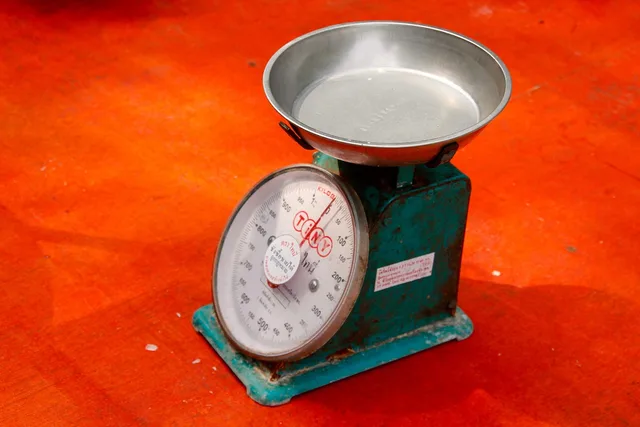
Hot sauce production equipment in buying order and what to check: NIST scale classes, kettles, fillers, the FDA process filing, bottles and chillies.
Reviews
Setting up production tasting that catches drift: retained reference jars, blind triangle tests, a fixed vocabulary and records that survive staff turnover.
Reviews
Tasting dry blends is not tasting sauces. Here is the dose first method, the three carriers to use, and how to record a result you can repeat next month.
Reviews
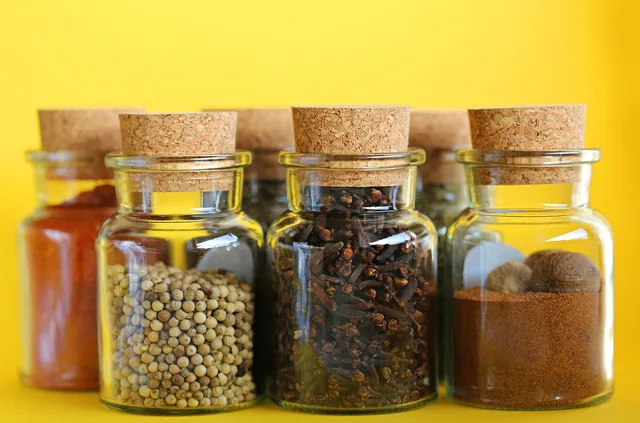
Why seasoning blends fade and when they become unsafe: moisture, heat, light and oxygen, plus the mold toxin risk that makes dry storage a safety question.
Reviews
American spice blends buying starts at the label: declared net quantity, price per gram, ingredient order, bioengineered disclosure, packaging and dates.
Reviews
A buyer's read on a small batch jar: lot codes, the responsible party, net quantity, the organic seal, and which questions separate real answers from copy.