Reviews
Part of A Method for Commercial Sauce Equipment Reviews
Why commercial sauce equipment storage spoils a batch
Commercial sauce equipment storage goes wrong when residue hides in gaskets, hoses and valve seats. Here is why a stored part spoils the next batch.
What to take away
- Equipment stored wet or dirty is the most common source of a batch that tastes wrong for no obvious reason.
- Gaskets, hoses and valves hold residue and odor. They are the parts to strip, not the parts to rinse.
- Sanitizer choice is a technical decision, and it is a certification question if you handle organic products.
- A cleaning system needs a periodic review, not just a checklist somebody signs.
Where residual flavor actually hides
Visible stainless surfaces are rarely the problem. The trouble hides in awkward spots: pump housings, valve seats, transfer hose interiors, threaded fittings, and every gasket. A small sauce operation runs a short equipment list — a kettle, a pump, a filler, and the hoses between them — and each item on it is somewhere the last batch can sit.
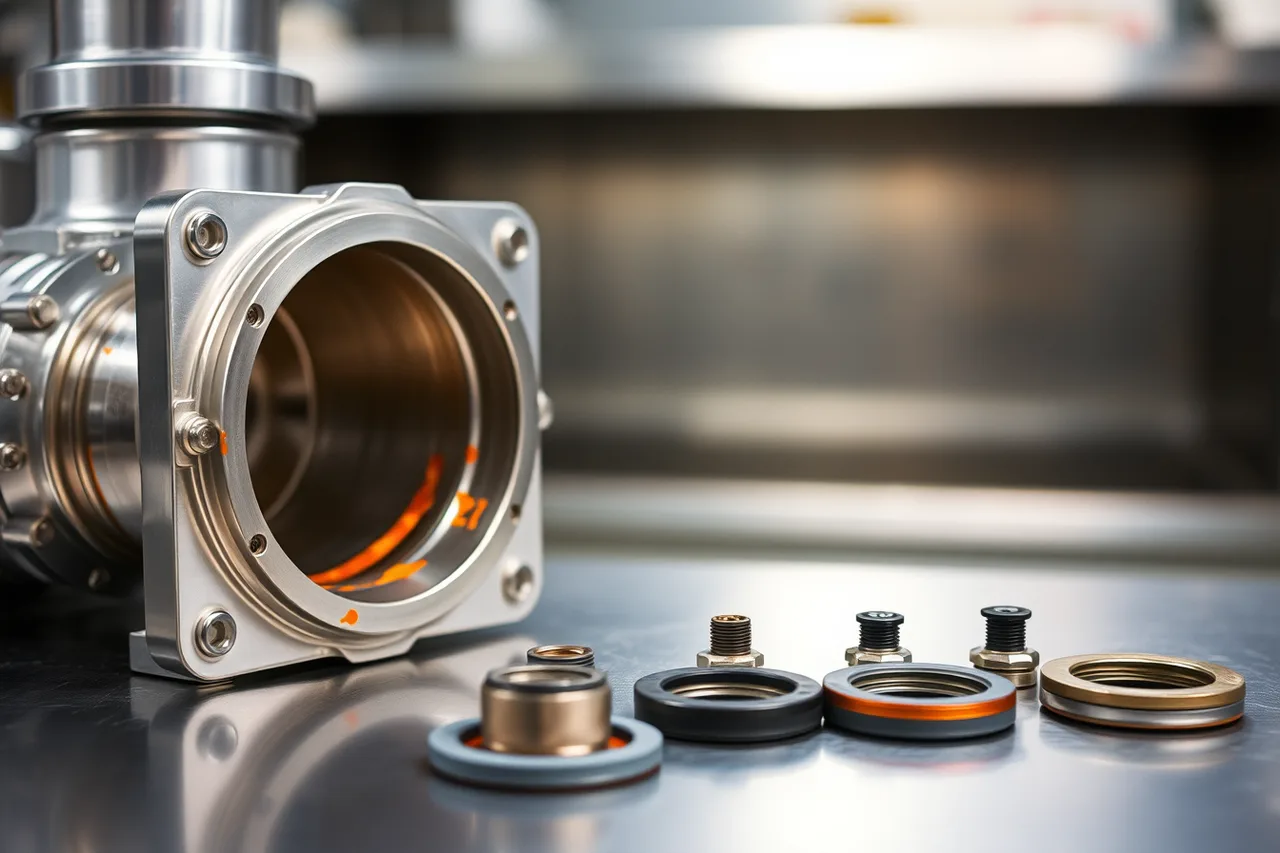
Chilli oils and aromatic compounds persist. A hose that carried smoked chilli sauce will pass a trace to whatever runs through it next.
Catching that early needs a panel that can name a defect at low intensity, which is what a flight built from one base and a set of deliberate faults trains.
Strip those parts rather than flushing them. Store gaskets separately and dry, and replace them on the interval the equipment manual gives — or sooner if a gasket swells, stains or holds odor — rather than waiting for a failure.
Dry storage, always
Equipment put away damp grows things. Air dry every part fully before storage, store parts uncovered or in breathable covers rather than sealed plastic, and keep storage off the floor and away from splash zones. A dedicated rack with labeled positions beats a crate, because a missing part is visible.
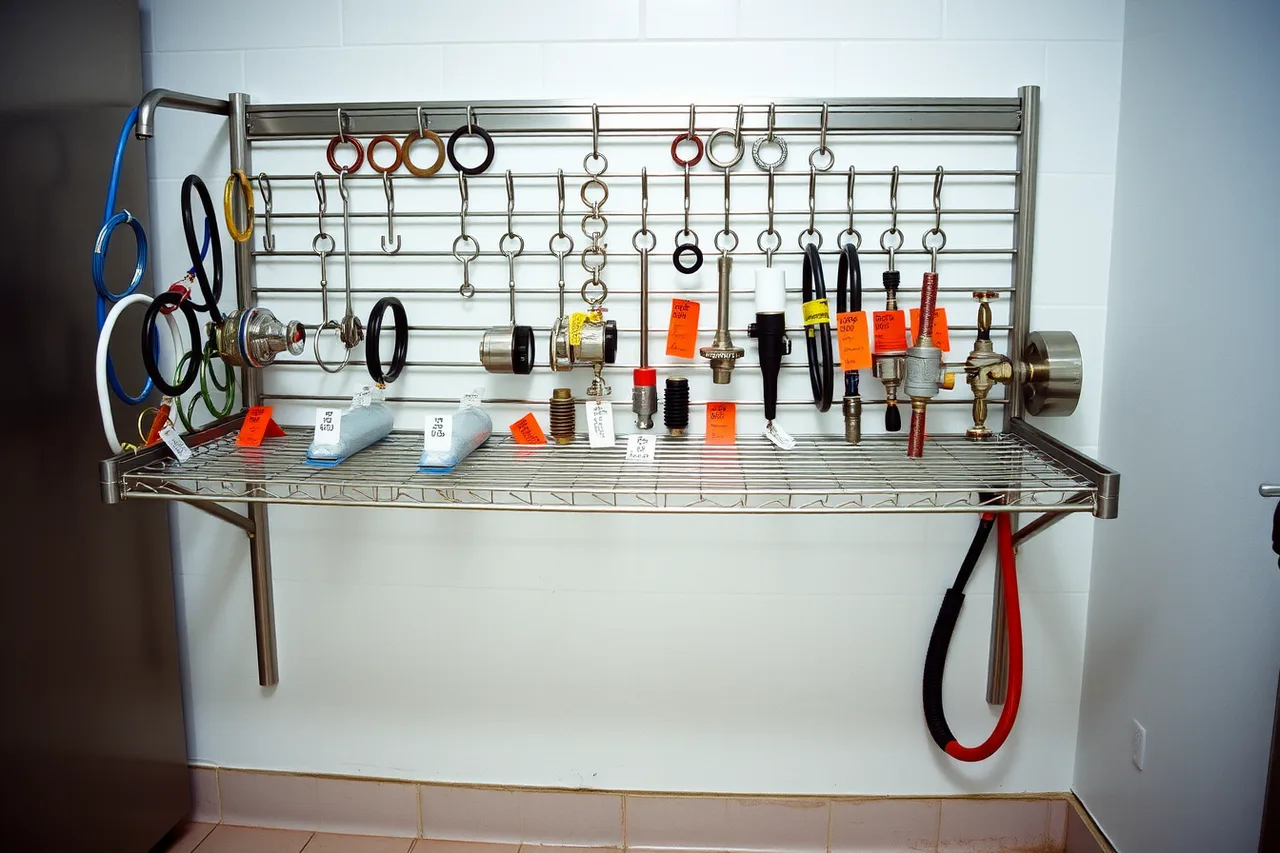
Give every stored part a home position and mark it. Color code by product family where you can. The control is crude, and it works, especially with allergen containing products where equipment separation is part of your control plan.
Dry blenders face the same separation problem with no water in it. Keeping two blends apart on shared equipment is the hazard they are judged on first.
Sanitizers and certified operations
Cleaning chemistry is not an area for improvisation. The common food-contact sanitizer families are chlorine-based products, quaternary ammonium compounds and peracetic acid, and each is labeled with its own concentration and contact time. Use the numbers printed for food-contact use, rinse where the label says to rinse, and record what you used.
In the United States, the rule that governs cleaning in a commercial sauce operation is the FDA's current good manufacturing practice and preventive controls rule for human food, 21 CFR Part 117. Its sanitary operations and equipment provisions are what an auditor or inspector will read your cleaning records against.
If any of your production is certified organic, the choice narrows further. Organic handling is governed by the USDA organic regulations at 7 CFR Part 205, including the National List of Allowed and Prohibited Substances, so a sanitizer that is fine on a conventional line may not be acceptable on an organic one.
The regulations list substances allowed and prohibited: most synthetic pesticides and fertilizers are prohibited, as are growth hormones, sewage sludge, irradiation and genetic engineering. For a cleaning or sanitizing product, the practical route is your certifier's list of products allowed in organic handling — confirm the product before you switch, not after.
Reviewing the system rather than the checklist
Checklists decay. People sign them without doing them, and the checklist stops matching the equipment after a modification. The fix is a periodic review with the people who do the work.
The habit has a name outside the kitchen. The NIST guide to conducting an effective management review covers who takes part, what gets discussed and what objective evidence the discussion needs. A sauce kitchen review is that same meeting with a shorter agenda.
For a small kitchen, sit down twice a year with the cleaning records, the maintenance log and the people who do the work, and ask what is no longer true. Bring evidence rather than opinions: an ATP swab from a cleaned food-contact surface, an allergen protein swab from a shared line, or a residue check inside a hose tells you whether the procedure actually worked.
Reviewing the system
| Review question | Evidence to bring |
|---|---|
| Does the procedure match the equipment now | The current procedure and the machine |
| Are gaskets being replaced on schedule | The maintenance log |
| Have we had flavor carryover complaints | Batch records and complaints |
| Is anyone signing without doing | Ask the people who sign |
For the ingredient side of storage, see our blend storage rules, and for how equipment decisions are made in the first place, see the equipment review guide.