Features
Part of American spice blends by style family: five value criteria and enforceable label claims
What to consider when varying American spice blends: toasting, chilies and seed supply
A guide to changing one element of familiar American spice blends, with notes on toasting, chilies, grind size, salt, variety labeling and seed supply.
What to take away
- The best variations change one element of a familiar style rather than inventing a new one.
- Toasting, grind size and salt position are three levers most home cooks never touch.
- Where an ingredient comes from is a supply question as much as a flavor one.
Testing a variation honestly
Make the original and the variation on the same day. Use the same dose by weight. Cook them on the same food. Then have someone else code the samples so you do not know which is which. Most variations turn out to be different rather than better, and that is a perfectly good result to write down.
Ten variations on familiar styles
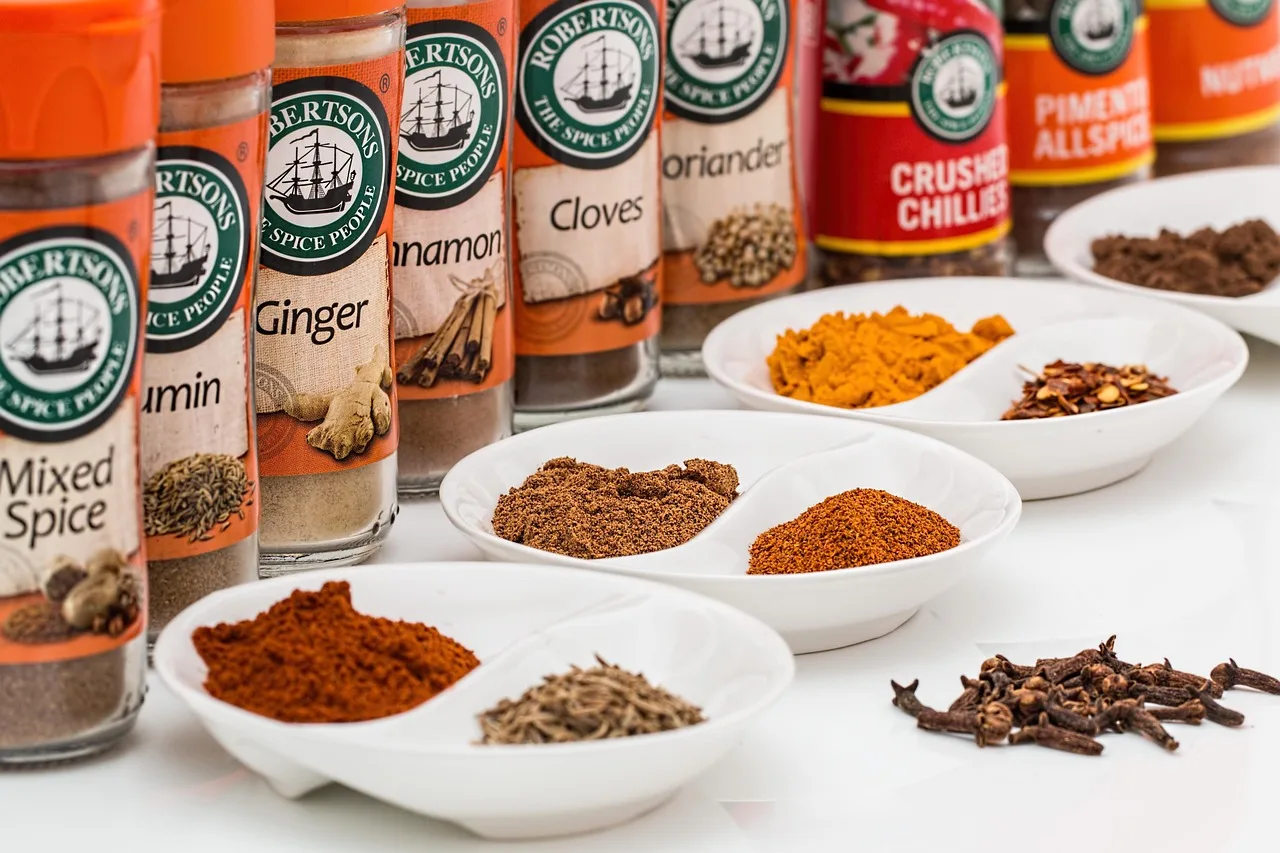
Ancho, guajillo, pasilla, chipotle and arbol are the dried chillies worth naming. Each item below gives the ingredient and the numbers.
- Toast whole cumin and coriander seeds 60 to 90 seconds in a dry pan over medium heat, until the first seeds crack and smell nutty. Grind to a typical 20 to 40 mesh for a rub, and add the sugar after grinding.
- Build a chili powder from named chillies. A common starting ratio is 2 parts ancho to 1 part guajillo, for a mild, raisin sweet base. Add arbol at 1 part in 10 if you want heat. Toast dried pods 30 to 45 seconds a side in a dry pan, or 3 to 5 minutes in a 250 F oven.
- Replace half the paprika in a Creole blend with Pimentón de la Vera, a smoked Spanish paprika. Ground to a typical 60 mesh it reads darker and more savory than sweet paprika at the same dose.
- Make a seafood boil blend with the salt removed. A typical commercial boil blend runs 15 to 25 percent salt by weight, so dropping it lets the cook salt the water and set the final salinity.
- Grind a poultry seasoning to a typical 20 mesh instead of 60. Rosemary and thyme stay visible and release more slowly in a roast. Skip the toasting step, because dried leaf herbs scorch before they improve.
- Add dried citrus peel to a Southwest style blend at 2 to 3 percent by weight, and use it as a finisher rather than a rub. The peel scorches at griddle heat.
- Make a ranch style blend with no dairy solids, for cooks who add their own buttermilk. Keep dill, chives and parsley at roughly equal parts, so the herbs carry what the powder used to.
- Swap a quarter of the black pepper for green peppercorns in any blend used off the heat. Green pepper is brighter, and a coarse 20 to 30 mesh keeps that difference.
- Build a low sugar barbecue rub for hot and fast cooking. Hold sugar under 10 percent by weight, or leave it out, because sugar starts to scorch above about 350 F.
- Make a single herb version of a mixed herb blend, thyme only, and see whether anyone misses the rest. Pick the herb with the most weight in the mix.
Three of those levers are grind size, toast level and the order ingredients are combined in, and a blending room treats each of them as a written specification rather than a preference.
Ten blend variations to try
- Toast barbecue rub spices before grinding
- Build chili powder from two named chillies
- Swap half paprika for smoked in Creole
- Remove salt from seafood boil blend
- Grind poultry seasoning coarser for visible herbs
- Add dried citrus peel to Southwest finisher
- Make ranch blend with no dairy solids
- Use black and green pepper off heat
Why a variety name on the tin matters
Variety choice happens long before the blender sees the ingredient. The National Agricultural Library's page on seeds and plants explains that the Federal Seed Act is a truth in labeling law regulating agricultural and vegetable seed in interstate commerce.
Seed to tin traceability
- Variety chosen long before blender
- Federal Seed Act truth in labeling
- Accredited seed testing predicts germination
- Variety name cannot be reused
- Named variety on label means specific
For a buyer, that rule works in one direction. A tin that names a variety, ancho or guajillo, is making a claim the seed trade has to keep straight. If a supplier cannot name the variety and the state it was grown in, treat the front of the tin as decoration.
What a state grant list tells a buyer
Some crops behind these variations sell commercially because state level programs support their growth. USDA's Specialty Crop Block Grant Program funds projects to enhance specialty crop competitiveness. State departments of agriculture apply for the money and award it, and the funded project lists are public.
California, Washington and New York publish awards by year, through the California Department of Food and Agriculture, the Washington State Department of Agriculture and the New York State Department of Agriculture and Markets. A crop that reached your region only through a funded project may not be there next year.
There is a second reason to care about the supply side. A variation built on an ingredient that only one grower in your region produces is one you may not be able to repeat next year. Before you build a product around it, ask the grower how many acres are planted and whether anyone else grows the same thing.
Short planning horizons are now normal across small food manufacturing, and the signals worth watching instead of forecasts are quotes and lead times rather than category news.
Three numbers on a spec sheet settle whether a blend fits your use: salt by weight, grind size in mesh, and where any allergen line sits. Ask for all three in writing. Then ask whether the same line also runs a sesame product, because shared equipment is where small suppliers get caught.
The buyer comparison guide walks through the same side by side method on finished blends, and the small batch ideas list collects production side experiments run the same way.