Costs
Independent condiment brands compared with what actually happens
Independent condiment brands differ by channel, pack size and who does the work, so compare ratios and shelf-life dates instead of raw prices.

Desk
Small producers, how they scale, and what changes when they do.
Costs
Independent condiment brands differ by channel, pack size and who does the work, so compare ratios and shelf-life dates instead of raw prices.
Industry
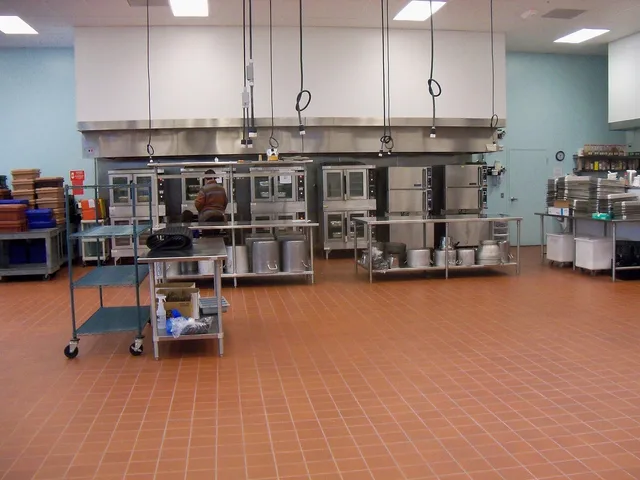
What venues weigh when buying prep equipment: footprint, cleaning time, who can operate it, financing options and the training that decides whether it gets used.
Industry
For condiment brand case studies, separate records from recollection, account for survivorship bias, and state what one maker's story can—and cannot—prove.
Reviews
Commercial sauce equipment reviews need a repeatable method: assess cleanability, usable capacity, traceability, documentation and sauce-process fit.
Industry
Home hot sauce cottage food rules: selected state sales caps, pH and water activity limits, permits, and when a licensed kitchen is required.
Features
Louisiana pepper sourcing runs on named varieties, tight harvest windows and Gulf weather, and those three set hot sauce recipe timing and pricing.
Guides
Austin co-packing tiers for small-batch sauce, plus the Austin Public Health permit fees, booth and label rules and food handler steps for market vendors.
Industry
Brooklyn artisan food manufacturing overview: production models, named makers, retail terms and NYC licensing for sauce and condiment brands.
Industry
The four supplier types independent sauce brands makers rely on: grower, packer, glass, label. How to find backups and what questions test each.
Reviews
Buying small batch sauces at a distance: what a listing must disclose, how origin labeling works, shipping risks in heat and cold, and returns worth checking.
Features
Small batch sauces are concentrated and easy to overuse. Five serving methods that keep a plate balanced, plus how to judge dose and when to hold the bottle.
Reviews
How to judge independent sauce brands: buy the same sauce twice months apart, weigh equal samples, compare labels and keep a record of what holds steady.
Industry
Independent sauce brands trends: lessons on anchor dishes, sourcing, sales channels and documentation from familiar names on the condiment shelf.
Industry
Independent sauce brands companies: we will not hand you sixteen names we cannot verify. Here is a repeatable method for finding independent sauce brands near you.
Costs
Sauce making mistakes named, from acidification and hot-fill hold to seal and label faults, plus the bench-to-shelf stage ladder and five low-cost controls.
Industry
For sauce making mistakes brands face, match the question to the right source: research, state metrology labs, extension services and process authorities.
Guides
Sauce making mistakes: how to catch faults early with coded samples, an unchanged reference, shared terms, and a checklist for tracing defects to process steps.
Reviews
Sauce making mistakes as they show up in subscription boxes: six recurring faults, how to tell a maker fault from a shipping one, and how to report it.
Maintenance
Sauce making mistakes recur during scale-up, packaging changes, and substitutions. See practical controls and U.S. food-safety rules for small-batch makers.
Reviews
Plan condiment product development labels around the locked recipe, FDA rules, nutrition facts, allergens, and printer milestones before artwork goes to press.
Reviews
Six independent condiment and spice brands worth a shelf slot, what each one does well, and how to judge the rest of the labels without the sales copy.
Industry
Independent sauce and spice brands ranked for 2027, with what each one makes, where it sells, and the reason it earns its place on the list.
Reviews
Overview of condiment product development storage study design: failure criteria, batch comparisons, storage conditions, measurements, and limits of testing.
Guides
The stage gates of condiment development, from brief and bench work through pilot runs, process review and launch, with the decisions that belong at each gate.
Industry
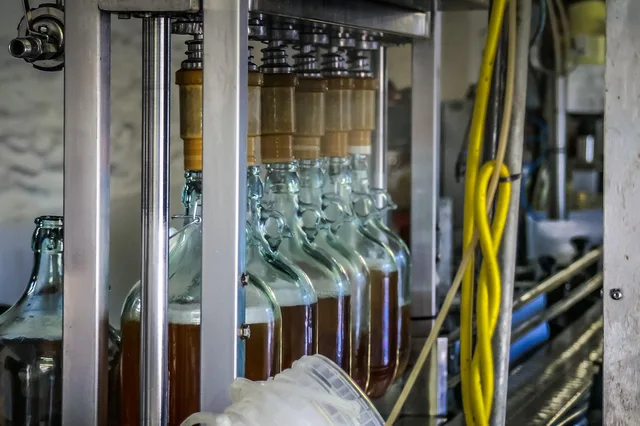
What a small sauce production day actually looks like, from pre run checks and sanitation through filling, coding and the records that close the batch out.
Industry
Small batch sauce production trends are hard to measure with broad data. Track ingredient, packaging, co-packer, and buyer signals instead.
Guides
This artisan condiments how to guide gives you six named hot sauces in a suggested tasting order, plus a neutral-carrier method and reusable notes.
Reviews
Three box models, how shipping decides the value of heavy glass, and the questions to ask about renewal, jar size and paid placements before you subscribe.
Industry
American spice blends makers can use this process primer to check incoming spices, grind and mix to formula, control allergens, and keep buyer-ready records.
Reviews
Baltimore-style and Cajun blends, weighed gram for gram, salt-corrected and blind-coded, so the tin you buy next is the one you actually prefer.
Reviews
Specialty seasoning ideas and pairing ideas built on bridge, contrast and echo, plus when to add the blend and how to record a pairing that works.
Reviews
Reading a spice blend label: the three declarations that are legally required, what the organic categories mean, and which words carry no meaning at all.
Guides
Small batch sauce production planning in order: pick your legal route, get a process authority letter, register, cost the run, then make the first batch.
Costs
A hot sauce production budget in three blocks: what is fixed, what moves with volume, a worked break-even at three run sizes and the process authority step.
Costs
How to compare artisan condiments: unit price from the net quantity, cost per serving, what each price tier buys and where the money goes before the sauce.
Costs
What separates a cheap hot sauce from an expensive one: chilli form, acid choice, thickeners, run size and packaging, plus how to compare bottles honestly.
Industry
Specialty seasoning ideas businesses can test for foodservice, from citrus-chile salt to sesame-ginger blends, with checks for consistency, allergens and use.
Reviews
Setting up production tasting that catches drift: retained reference jars, blind triangle tests, a fixed vocabulary and records that survive staff turnover.
Features
Nine practical moves for a small sauce line, from seasonal single ingredient runs to shared kitchen scheduling, grant funded projects and byproduct rescue.
Reviews
Tasting dry blends is not tasting sauces. Here is the dose first method, the three carriers to use, and how to record a result you can repeat next month.
Reviews
Why seasoning blends fade and when they become unsafe: moisture, heat, light and oxygen, plus the mold toxin risk that makes dry storage a safety question.
Reviews
American spice blends buying starts at the label: declared net quantity, price per gram, ingredient order, bioengineered disclosure, packaging and dates.
Reviews
A buyer's read on a small batch jar: lot codes, the responsible party, net quantity, the organic seal, and which questions separate real answers from copy.