Features
Part of Small batch sauce production planning: five steps, in order
Nine small batch sauce moves worth trying, from single-ingredient runs to byproduct rescue
Nine practical moves for a small sauce line, from seasonal single ingredient runs to shared kitchen scheduling, grant funded projects and byproduct rescue.
What to take away
- The cheapest experiments change one variable and keep the rest of the run identical.
- Seasonal and single ingredient runs test demand without committing to a permanent line.
- Grant programs exist for local food businesses, and they fund planning work as well as equipment.
- Every idea here still has to pass the same process review as your main product. New formula means new paperwork.
Nine things worth trying
- Run one lot as a single ingredient version of your flagship. It teaches you which component is carrying the flavor.
- Buy a second grade lot of your main ingredient and make a cooked down base, if your process letter covers it.
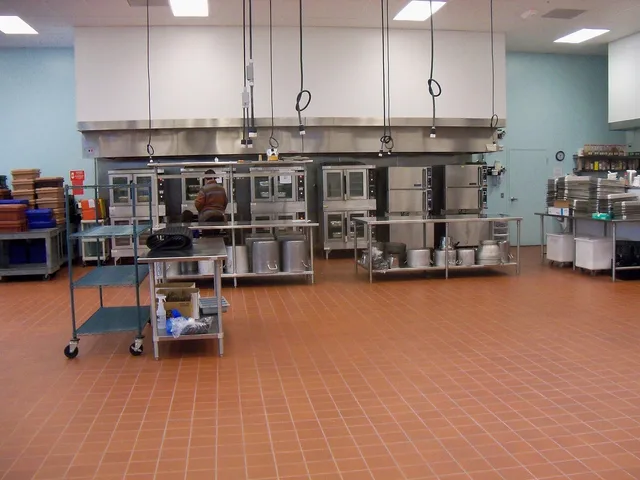
- Book a shared kitchen at an unpopular hour. Off peak rates are often materially lower.
- Trade production time with another maker instead of hiring help for a day.
- Make a smaller format for gift and sampling channels rather than discounting the main size.
- Retain and taste a jar from every lot at three fixed intervals, so you learn your own product's aging curve.
- Test one alternative acid or one alternative sweetener as a controlled comparison, with the process reviewed before you sell any of it.
- Rescue an ingredient stream a neighboring producer discards, such as trim or pressings.
- Write down the true labor hours for one run. Most makers discover their price was set on a fantasy.
Several of these get easier once you know a maker at your own scale, and the operating types worth studying, and how to find two of your own is a quick way to work out who that is.
Where to look for unusual ingredients
Sourcing differentiates small producers. A large manufacturer cannot buy in the quantities a regional grower offers. The National Agricultural Library maintains a list of alternative crops and enterprises for small farm diversification, covering field crops, oils, pseudocereals and specialty produce.
Is the unusual ingredient viable?
Can a grower supply more than one seasonal run?
Make it a line, not a limited edition
Label as limited edition and say so
Read it as a sourcing menu, not a farming document, to find an ingredient nobody in your aisle uses.
Be realistic about volume before you fall in love with an ingredient. A grower with half an acre of something unusual can supply one seasonal run and nothing more, which makes it a limited edition rather than a line. Say so on the label and the constraint becomes part of the appeal.
Start with growers within a day's drive. Freight on wet produce destroys margins faster than almost anything else.
A grower relationship gives you varieties that never reach a distributor. Freight does the same damage at the far end, where a shop sets shelf price from the cost it counts once freight and breakage are added.
Funding a project rather than self financing it
Some of these ideas are cheap. Others, such as a new format or a shared aggregation facility, are not.
USDA's Local Food Promotion Program funds planning and implementation projects for local and regional food business enterprises that process, distribute, aggregate or store locally produced food. It has separate project types and funding bands, and eligible applicants include agricultural businesses and cooperatives. Application windows open and close, so check the current notice of funding opportunity not an old summary.
Keeping experiments from becoming chaos
The failure mode is not a bad idea. It is five half finished ideas competing for the same kitchen day, the same cash and the same attention, none of them measured well enough to produce a decision.
Give every trial a number, a written question and an end date. Change one thing at a time. Keep the control batch, because a comparison without a reference is an opinion. And check every new formula against your regulatory route before it leaves the building, since a variation on an approved product is still a new product.
The planning sequence covers that route in order, and if your experiments are heading toward dry blends rather than wet sauces, the seasoning ideas list is the companion piece.