Reviews
Part of American spice blends by style family: five value criteria and enforceable label claims
American spice blends buying: a label checklist
American spice blends buying starts at the label: declared net quantity, price per gram, ingredient order, bioengineered disclosure, packaging and dates.
American spice blends buying is mostly a label exercise. The checklist below covers the declared net quantity and the price per gram, the ingredient order, any bioengineered disclosure, the packaging and the date — and it points to the questions you will have to ask the maker yourself.
What to take away
- Read the declared quantity, not the container. Tins and jars are designed to look larger than they are, and the Fair Packaging and Labeling Act requires the real weight to be printed.
- Ingredient order tells you whether you are buying spice or salt; FDA's regulation at 21 CFR 101.22 is what allows a maker to fold the spices into one word.
- A bioengineered disclosure is a marketing label required by the National Bioengineered Food Disclosure Standard. It is not a safety or quality statement.
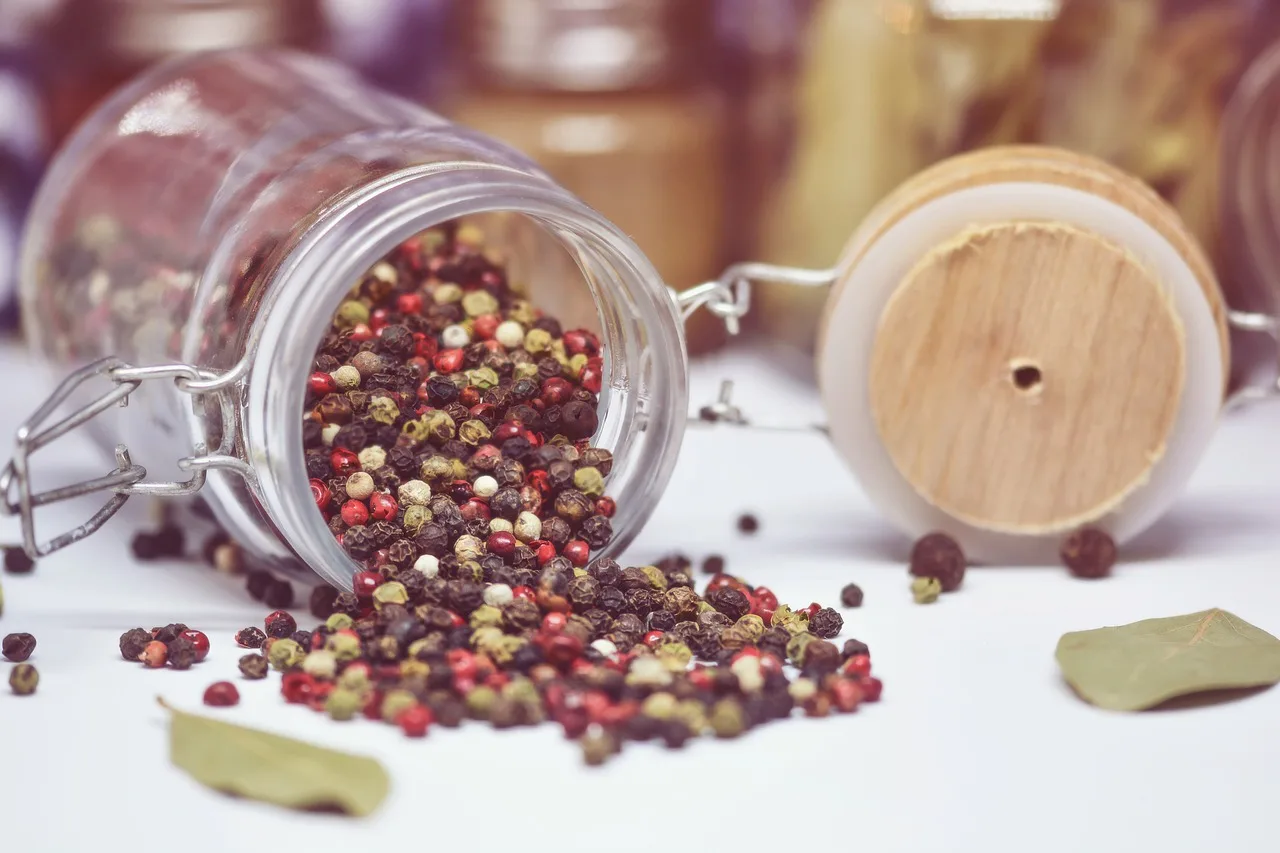
- Packaging matters. Light and air degrade a blend, so a clear jar on a bright shelf is a worse buy than a tin.
- Allergens, country of origin and the nutrition panel have their own rules, covered below.
Start with quantity and price per gram
Compare on price per gram, always. Two tins of the same height can hold different weights, especially across grind sizes, because a coarse blend takes more volume for the same mass. The Fair Packaging and Labeling Act and FDA's rule at 21 CFR 101.105 require the printed quantity to appear in both metric and US customary units, so the number on the tin is a real weight and not a container size. Divide the shelf price by the grams and the comparison is done.
Same Tin, Different Weight
Fine grind
- Tin height
- Same
- Net weight
- Heavier
- Price per gram
- Lower
Coarse grind
- Tin height
- Same
- Net weight
- Lighter
- Price per gram
- Higher
Unit price is the honest comparison across a whole shelf, and what the gap between two price tiers usually buys is run size and packaging more often than a better ingredient.
The rules behind that printed quantity are updated regularly. NIST announced the 2025 editions of Handbooks 44, 130 and 133, noting changes across the scales section of Handbook 44 and updates to the uniform regulations in Handbook 130. These editions move to fully electronic formats.
Handbook 130 carries the uniform packaging and labeling regulation many states adopt. That is why the declaration on the back of a spice tin stays consistent from state to state.
The five things to check on the shelf
- Declared net quantity, and the resulting price per gram. The Fair Packaging and Labeling Act and 21 CFR 101.105 require the quantity in both metric and US customary units, so "NET WT. 2 oz. (56 g)" is the form to look for.
- Ingredient order by weight, especially where salt and sugar sit. FDA's 21 CFR 101.22 is the rule that lets a maker fold spices into the single word "spices" and flavorings into "natural flavor," so a short ingredient list is legal, not lazy.
- Whether a bioengineered disclosure appears, and in what form. The National Bioengineered Food Disclosure Standard (7 CFR part 66) governs it.
- Packaging type. Opaque, sealed and small beats clear, loose and large. NIST Handbook 130's uniform packaging and labeling regulation is what keeps the declaration consistent from state to state.
- Any date on the package, and whether it refers to packing or to best quality. Dating is voluntary on most spice blends, so its presence is a signal about the maker.
The styles themselves differ by region. A Cajun blend reads heavy on paprika, garlic and cayenne; a taco blend on chili powder and cumin; a Kansas City style barbecue rub on brown sugar and paprika; pumpkin pie spice on cinnamon and ginger. The same five checks apply to every one of them.
Bioengineered disclosure, read correctly
Some blends carry a bioengineered food disclosure, required by the National Bioengineered Food Disclosure Standard (7 U.S.C. 1639b; 7 CFR part 66). AMS explains in its information for consumers that retail products that are bioengineered or contain bioengineered ingredients say so on the label through words, the BE symbol, a scannable link or text message instructions. Only foods meeting the agency's definition carry the disclosure.
AMS also states plainly that the disclosure is a marketing label and conveys no information about health, safety or environmental attributes compared with non bioengineered counterparts. Food from very small manufacturers and food served in restaurants is not required to bear it.
That last point matters for spice shoppers, because the absence of a disclosure on a small blender's tin tells you nothing either way.
Label elements people skip
- Allergens. The Food Allergen Labeling and Consumer Protection Act requires the major allergens to be declared, either by common name in the ingredient list or in a separate "Contains" statement. A blend built on a seasoning base can carry milk, soy or sesame without the word appearing anywhere else.
- Country of origin. Imported blends must be marked with the country of origin under the Tariff Act of 1930, which is why a tin will name a country and not just a distributor.
- Nutrition. Under FDA's nutrition labeling rules at 21 CFR 101.9, a food of no nutritional significance may carry a "not a significant source of" line instead of a full Nutrition Facts panel. Blends with meaningful salt or sugar need the panel, so its presence tells you the blend is more than ground spice.
Dates are the fifth check, and the wording matters. A packing or production date tells you when the blend was mixed; a best-by or best-quality date tells you what the maker will stand behind for aroma. Neither is a safety date on a dry blend, but the packing date is the more useful of the two.
A tin with no date at all is not automatically a bad buy, but it leaves you with the two questions below and nothing else.
Commercial kitchens run through stock fast enough that pack size is a purchasing decision; at home the same math has to include the months a tin sits open.
Two questions worth emailing
Ask when the blend was mixed, and ask whether the spices were ground in house or bought pre-ground. Neither answer is on the label, both are known to the maker, and the willingness to answer separates a business that tracks its stock from one that does not.
| Answer you get | What it suggests |
|---|---|
| A specific mixing month | Stock is rotated and recorded |
| Ground in house to order | Fresher aromatics, smaller runs |
| Bought pre-ground in bulk | Cheaper, and likely older |
| No answer at all | Reseller rather than blender |
For what a printed label can and cannot establish, read our walkthrough of seasoning labels, and for the style by style framework behind these checks, see the buyer's comparison of American spice blends.