Features
Part of How do you actually find indie sauce brands worth following on your own?
Five ways to serve indie sauce brands without drowning the plate
Small batch sauces are concentrated and easy to overuse. Five serving methods that keep a plate balanced, plus how to judge dose and when to hold the bottle.
What to take away
- Independent sauces are usually more concentrated than mass market equivalents, so the same pour is a bigger dose.
- One assertive sauce per plate. Two compete and cancel.
- Serve alongside rather than over, and let people add. It respects the sauce and the guest.
- Dose is measurable. Weigh it once and you will stop guessing.
Why overdoing it is the default mistake
A small maker reduces harder, uses more aromatics per unit and adds less water than a large manufacturer optimizing for cost. The result is a bottle that behaves differently from the one it replaced on the shelf.
Reduction and dilution are the two ends of that, and a reduced sauce and a thickened one can sit two price tiers apart at the same viscosity. People pour the amount they are used to, the plate becomes one note, and the sauce gets blamed.
The fix is not restraint as a virtue. It is calibration. Taste at half your usual pour, then adjust until the sauce supports the food rather than replacing it.
Five serving methods
Take a small-batch fermented sauce like Secret Aardvark or Queen Majesty. Both are concentrated enough that a teaspoon changes a dish.
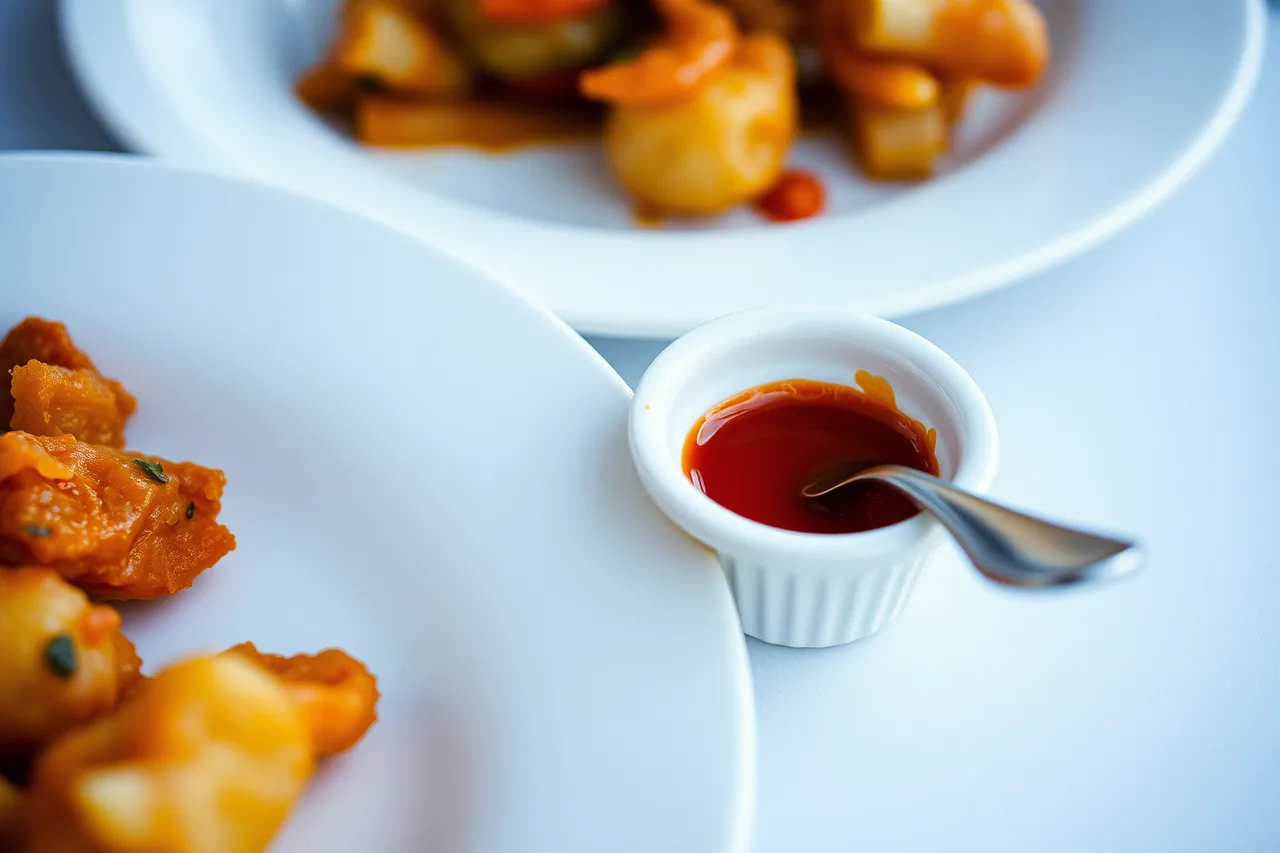
- On the side, in a small dish, with a spoon. The guest sets their own dose and the food stays visible.
- Under the food rather than over it. A pool of sauce on the plate seasons each bite without coating and softening the surface.
- Thinned into a dressing. Cut with oil, stock or yoghurt to spread a concentrated sauce across a salad or grain bowl. Start with one part sauce to three parts yoghurt for a creamy dressing. For a vinaigrette, use one part sauce, two parts oil and one part vinegar.
- Brushed at the end. For anything grilled or roasted, apply off the heat so aromatics survive and sugars do not burn. This rescues expensive sauces from being wasted, since a glaze over a hot grill loses the aromatic compounds that justified the price.
- Split the difference. Season the dish conventionally and offer the sauce as a finisher, so it adds rather than substitutes.
Two of these deserve emphasis. Serving on the side is the only method that works for a table where people have different tolerances for heat and acid, yet most home cooks skip it because it looks less finished.

Finding the right dose
Serve the dish plain first and taste it. Then add the sauce in weighed increments and taste again. Most people find the point of balance well below their habitual pour, particularly with fermented and chilli forward products.
For a typical small-batch fermented chilli sauce, start with 2 g (about half a teaspoon) per serving and add 1 g at a time. Most dishes balance between 4 g and 6 g (one to one and a half teaspoons).
If you cook for other people, treat portion size the way a kitchen does, and check public data such as the USDA quarterly food away from home prices.
Professional kitchens treat every component as a costed portion, not a free pour. Home cooks who adopt that habit waste less and eat better balanced food.
Keeping the rest of the plate in mind
Concentrated sauces carry salt and sugar, and both add up faster than people expect across a meal. The panel on the back is an analyzed or calculated figure, and where those numbers come from explains why two similar products can disagree.
The Food and Nutrition Information Center's resources list dietary guidance and food composition material. That is one place to check if you want the actual numbers.
None of this argues for using less of something good. It argues for knowing what a serving contains, and then deciding.
For pairing logic that tells you which sauce belongs with which dish, see our seasoning pairing guide, and for finding sauces worth serving in the first place, see the watch list method.