
Reviews
Part of What does artisan actually mean on a condiment jar, and which claims can you verify?
How condiment subscription boxes work, and the questions to ask before you subscribe
Three box models, how shipping decides the value of heavy glass, and the questions to ask about renewal, jar size and paid placements before you subscribe.
What to take away
- A condiment box is a distribution deal first and a curation service second. Ask who chose the jars and who paid for the slot.
- Shipping is the line that decides whether a box is good value, and glass is heavy.
- Cancelation terms, skip windows and renewal dates matter more than the first month discount.
- A box is a discovery tool, not a pantry plan. Most subscribers over buy in month one and stall by month four.
What you are actually subscribing to
Three models sit behind almost every box. In the first, a curator buys wholesale, marks up, and picks freely. In the second, makers pay for placement, turning the box into paid marketing with a sample attached. In the third, a single producer sends its own rotating output.
Three Subscription Box Models
Curator Buys Wholesale
- Who picks
- Curator freely
- Curation?
- Yes
- Independent?
- Yes
- Paid marketing
- No
Makers Pay Placement
- Who picks
- Makers pay
- Curation?
- Yes
- Independent?
- No
- Paid marketing
- Yes
Single Producer
- Who picks
- Producer only
- Curation?
- No
- Independent?
- No
- Paid marketing
- No
All three can be worth the money. Only the first two are commonly called curation, and only one is independent.
Named United States examples include Fuego Box for hot sauce subscriptions, Heatonist and Mouth for curated hot sauce or pantry boxes, and Raw Spice Bar and Curio Spice Co for spice subscriptions.
A typical range is $10 to $60 per month for 1 to 6 items, with shipping often $5 to $10. The Federal Trade Commission's Endorsement Guides require paid placements to be disclosed.
Ask the operator directly which model they run. A curator who buys at wholesale will usually say so, because it is a selling point. Silence on the question is itself an answer.
Whichever model it is, compare per ounce rather than per jar, because what a higher unit price usually buys is a smaller run rather than a better ingredient.
A kitchen scale turns the per-ounce comparison into a two-minute task.
Why the shipping line decides the value
A four jar box weighs more than most subscribers expect once glass and packing material are counted. Operators absorb that cost in one of three ways: raising the box price, cutting jar count, or shrinking jar size.
A typical range for a four-jar glass box is 4 to 8 pounds before outer packing.
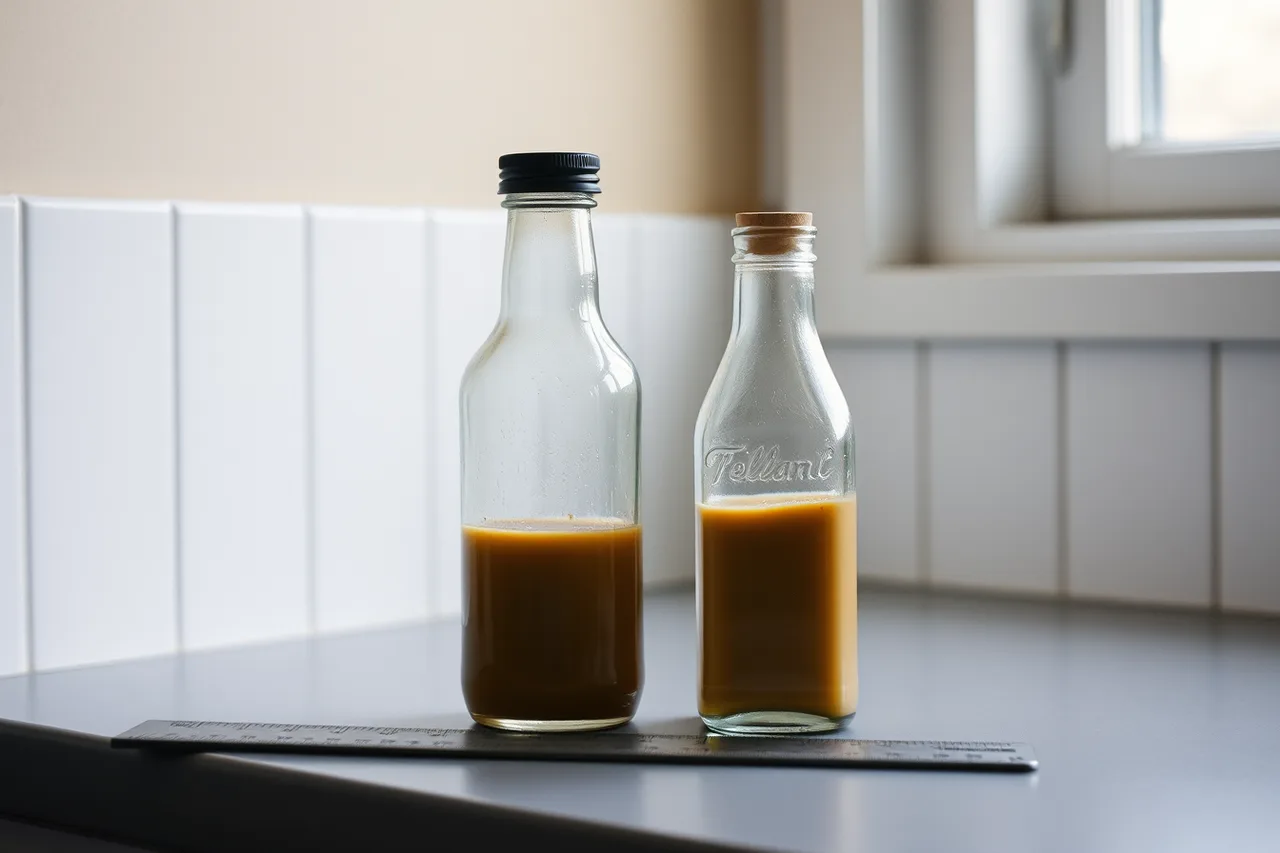
Watch for the third, because a shelf sized bottle and a sample sized bottle look similar in a photograph. Makers sometimes build the smaller format deliberately, since a gift and sampling size beats discounting the main one on a line that is already thin.
The category also moves with the grocery aisle it competes against. USDA tracking of food at home retail sales shows how much of household food spending still runs through stores, which is the benchmark any subscription has to beat on convenience or on access to things the store does not carry.
Questions to ask before the first charge
- What is the renewal date, and how many days before it can I skip a shipment?
- Is the first box priced differently from the ones that follow?
- Are jars full retail size, or samples?
- Do you disclose paid placements?
- What happens if a bottle arrives broken?
Why retention beats discovery for the operator
A subscription business lives on the second year, not the first order. Small Business Administration guidance on marketing to the customers you already have agrees: existing subscribers account for most revenue.
Holding them costs far less than replacing them. So good boxes send tasting notes, recipes and reorder links, rather than only jars.
For subscribers, the practical consequence is that the best operators want you to actually finish the bottles. If nothing in the packaging tells you how to use an unfamiliar condiment, the operator is optimizing for the sign up rather than the renewal.
Fitting a box into real cooking
Open one jar at a time and give it two weeks. Condiments do not spoil on a schedule you can guess, so follow the maker's refrigerate after opening instruction rather than a general rule of thumb, and write the open date on the lid.
Reading a box as a comparison set works better than reading it as a stock up. The habits in our guide to a structured tasting apply directly, and the background on what these products are is in the category overview.