Industry
Part of A Method for Commercial Sauce Equipment Reviews
How a bar weighs sauce equipment: footprint, training and financing
What venues weigh when buying prep equipment: footprint, cleaning time, who can operate it, financing options and the training that decides whether it gets used.
This is the buying logic for commercial sauce equipment in businesses that are not factories: a bar that makes its own hot sauce, a shop that portions dressings, a kitchen that batches a house condiment. It covers the questions a venue weighs before it buys: where the machine stands, who cleans it, who can run it and how it is paid for.
What to take away
- Venues buy floor space as much as machinery. A machine that needs a meter of clearance is competing with a workstation.
- Cleaning time is a labor cost every single day. It usually outweighs the purchase price within a few years.
- If only one person can operate it, the machine stops when that person leaves.
- Financing exists for equipment purchases, and it changes which machine is actually affordable.
The constraints a venue works inside
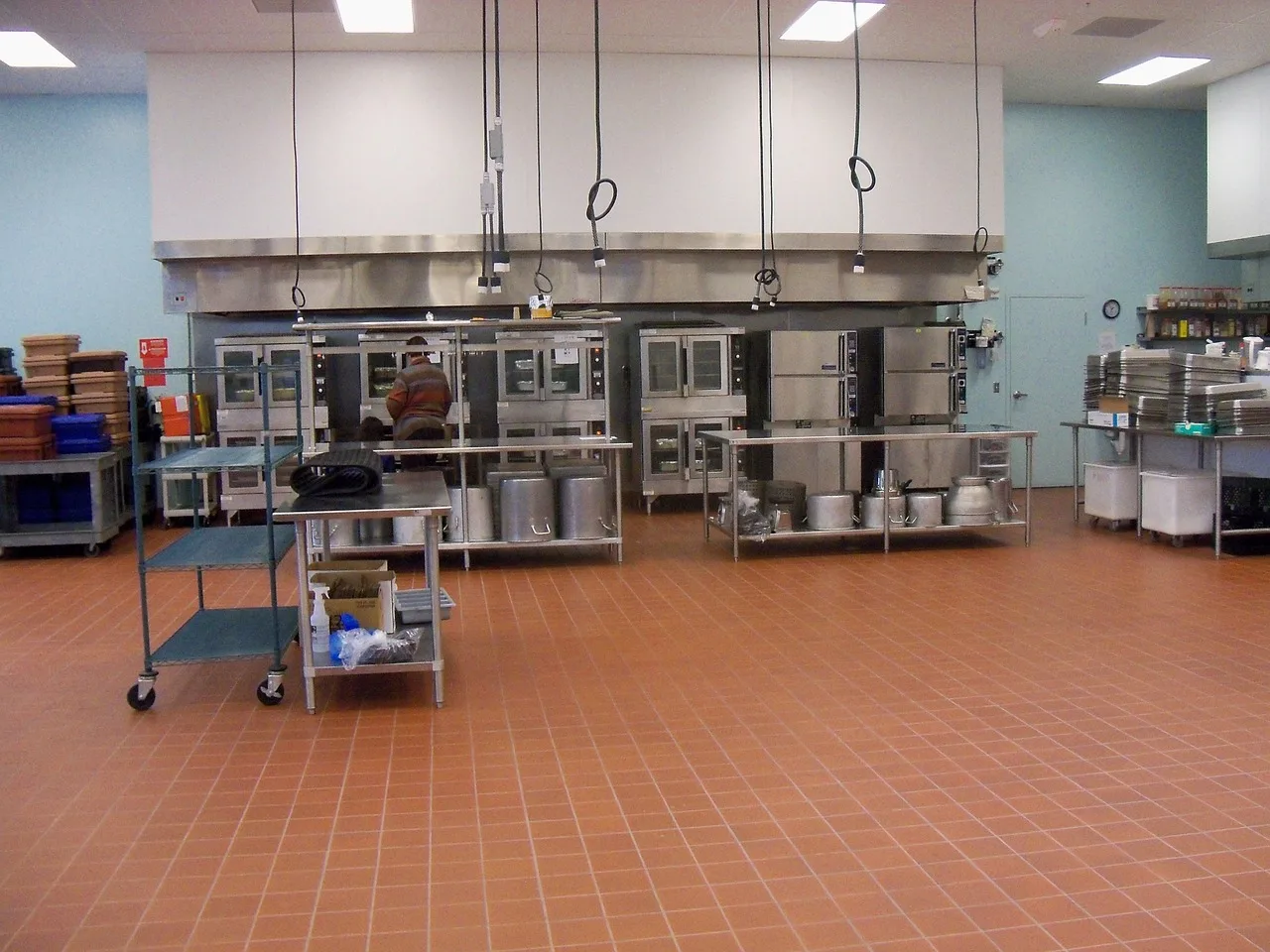
A production kitchen and a bar have very little spare space, a fixed number of labor hours, and a staff turnover rate that a manufacturer does not face. Those three facts decide most equipment purchases.
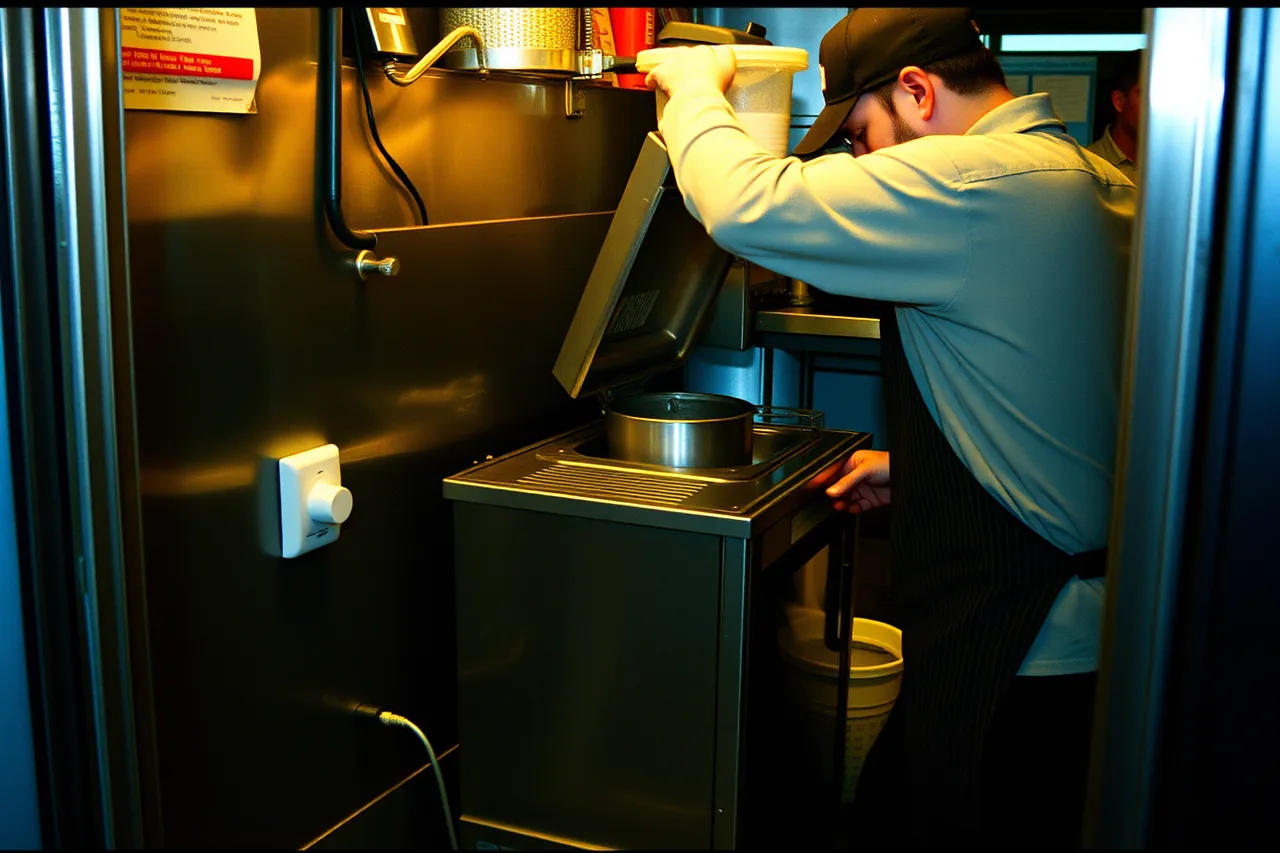
Constraints a venue works inside
- Footprint, including the clearance needed to open, load and clean it.
- Services available at that positionpower phase, water, drainage, extraction.
- Daily cleaning time, measured in minutes by someone who will actually do it.
- Noise, because a loud machine cannot run during service.
- How many people can be trained to use it safely.
The same constraints decide which products a venue will adopt at all, and designing for a station rather than for a palate is the supplier side of this list.
Cost is a five year number
Purchase price is the smallest part. Add installation, any electrical work, cleaning labor, consumables, servicing and the cost of downtime. Then divide by the number of covers or units it will produce. That figure, not the sticker, is what should be compared between two machines.
The categories to price are sauce depositors, chamber vacuum sealers, immersion blenders, piston fillers and batch kettles.
The example below uses typical planning ranges, not quotes. Machine 12,000 dollars. Install and a dedicated circuit 2,000 dollars. Service and consumables 650 dollars a year.
Clean down takes 15 minutes a day at 20 dollars an hour, which is 1,825 dollars a year. The five year total is 26,375 dollars. At 3,000 units a week that is under four cents a unit, and at 300 units a week about 34 cents.
Where the money comes from matters too. The Small Business Administration's 7(a) loan program provides a loan guarantee to lenders and can be used for purposes including the purchase and installation of machinery and equipment, working capital, and improving real estate.
SBA 7(a) rates are negotiated between the borrower and the lender but are subject to SBA maximums, which are pegged to the prime rate or an optional peg rate, and they may be fixed or variable.
Equipment amortizes over 10 years or its useful life. A start-up borrower puts in 10 percent equity, and lenders commonly ask for 10 to 20 percent down.
The maximum loan amount is five million dollars, and eligibility depends on factors such as business type, credit history and location. Knowing that financing exists changes the comparison, because the cheaper machine bought outright is often the more expensive decision.
The training question decides adoption
Equipment only one person understands is a risk disguised as an asset.
NIST's Manufacturing Extension Partnership lists workforce attraction and retention among the top challenges manufacturers report. It offers workforce development services covering talent assessment, recruitment, and training and development across the employee lifecycle. The lesson for a bar is narrower: retention is a machine specification.
Kitchens face the same problem in a sharper form. Before buying, ask how long training takes, whether the supplier provides it, and whether a written procedure exists that a new starter could follow.
The training question
| Question to the supplier | Why it matters |
|---|---|
| How long is operator training | Turnover means retraining, repeatedly |
| Is there a written procedure | Verbal training does not survive a shift change |
| What is the daily clean down time | It is the real recurring cost |
| Who services it and how quickly | Downtime during service is the worst case |
Ask for the written procedure before you buy rather than after. A supplier who has one will send it, and reading it tells you honestly how many steps the daily clean down takes.
A supplier who offers a video instead is telling you the procedure does not exist in a form your staff can follow at seven in the morning.
Read it for the parts that come off as well, because gaskets, valves and hoses are what hold residue and they are the steps a rushed clean down drops first.
Making the case internally
Bring three numbers: the five year cost, the labor hours saved or added, and what the machine allows you to sell that you cannot sell now. The equipment review guide covers what to inspect before buying, and the buying logic on the ingredient side is in our notes on how venues choose seasonings.
Write the three numbers as one page you can hand over.
- Five year costquotes plus install plus clean down hours times days per year times wage times five.
- Laborminutes saved or added per service times services per week, converted to hours and wages.
- New salesunits per week times price times 52, minus the item it replaces.