Industry
Part of Small batch sauce production planning: five steps, in order
When does a small batch sauce production day actually start, and what happens first?
What a small sauce production day actually looks like, from pre run checks and sanitation through filling, coding and the records that close the batch out.
What to take away
- A production day is mostly preparation and cleaning. Cooking is the short part.
- The written process is the product. Deviating from it turns a known safe run into an unknown one.
- Filling temperature, headspace and closure torque decide whether the seal holds, so they get measured rather than judged.
- The batch is not finished when the jars are full. It is finished when the record is complete.
Before anything is switched on
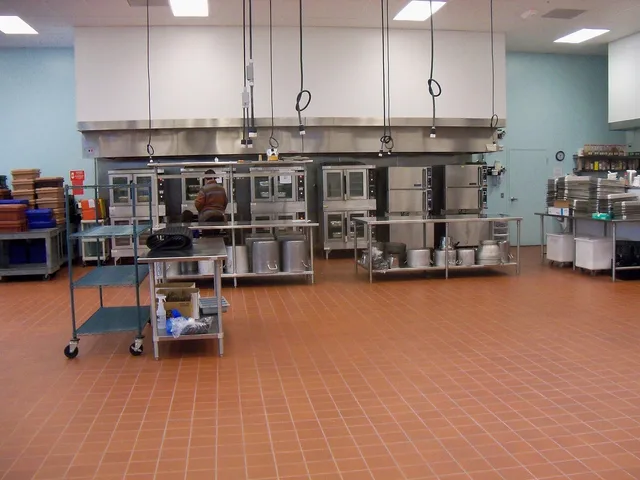
The pre-run block handles most risk: ingredients are received and checked against their lots, and equipment is inspected and sanitized. Thermometers and scales are checked against a known reference, since a drifting thermometer quietly invalidates a whole process.

A scale wrong for the load or accuracy class does the same, which is the argument for buying accuracy before you buy capacity. Labels are counted, and the correct version confirmed against the current formula.
This is also when the day's paperwork is set up: the batch sheet, the lot number, and the fill record. Filling those in as you go is the difference between a traceable run and a story about a run.
Cooking to a written process
Independent makers work to a process set for their formula and container, not a recipe. It states the order of addition, target values, hold, fill, and closure.
Changing an ingredient, container size, or batch volume can make the process invalid. A new format is a new conversation with the process authority, not a scaling exercise.
Support for this work exists. The NIST Manufacturing Extension Partnership lists food industry services: help with food safety plans, corrective and preventive actions, Food Safety Preventive Controls Alliance training using the FDA-recognized curriculum, and prep for third party audits. For a small maker, that often costs less than learning by getting it wrong.
Sanitation is the whole job
The reason a sauce line spends more hours cleaning than cooking is that the hazards are biological and invisible. The National Agricultural Library's collection on bacterial pathogens, viruses and foodborne illness gathers the research and reference material behind the rules, and reading a little of it changes how seriously people take a hose and a bucket.
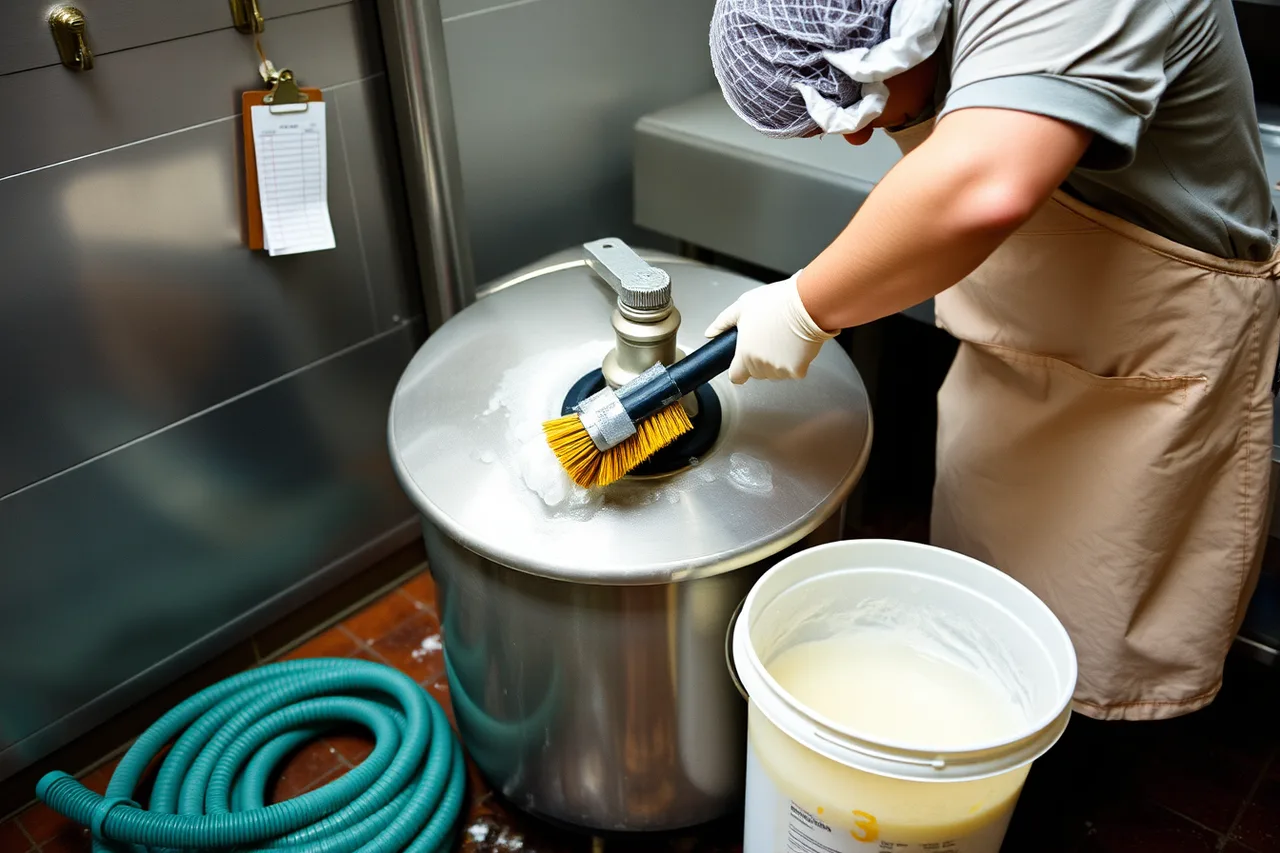
Practical habits that hold up:
- Clean to a written procedure with a named person and a signature.
- Separate raw handling from filling in time or in space.
- Treat gaskets, valves and hoses as the highest risk parts, because they are.
- Do not reuse a container that held a raw ingredient for a finished product.
Filling, coding and closing out
Fill temperature and headspace are measured on a sample from the run, not eyeballed. Every jar gets a lot code, and two jars go into retention.
The batch sheet is completed. Yield is compared with expected yield, and any difference gets an explanation before anyone leaves. The lot code is the one part of that work a customer can see: a printed lot number is what tells a buyer that records exist at all.
Yield is more informative than most makers expect. A run that comes in five percent light usually means either a measurement error at the start or a longer cook than the process allows. Catch either on the day, not three lots later.
Note ambient conditions too, because a humid room changes how a dry ingredient weighs and how quickly a hot fill cools.
That closing habit is what makes the tasting program in our batch tasting guide usable, since a score without a batch record is just an opinion. Dry blenders run a similar day with different hazards, described in the spice blending walkthrough.