Features
Texas vs Louisiana Hot Sauce: What Actually Differs?
Texas vs Louisiana hot sauce split on pepper base, acid and body, not heat. Here is how the two American styles differ and when to reach for each bottle.
What to take away
- Louisiana style is a cayenne and vinegar sauce built on an aged salted mash, thin and sharp.
- Texas style uses a wider pepper blend, often with tomato, and lands thicker and smokier.
- The real split is pepper base, acid level and body, not heat alone.
- No federal standard defines either style, so the bottle label is the only cue a shopper gets.
- Match the sauce to the plateoysters and gumbo to Louisiana, brisket and chili to Texas.
The pepper base sets the direction
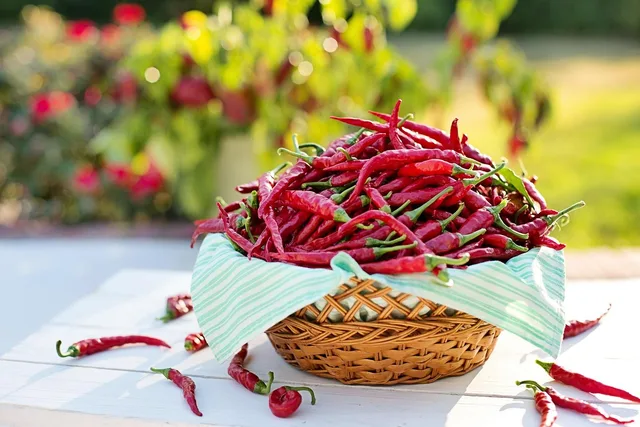
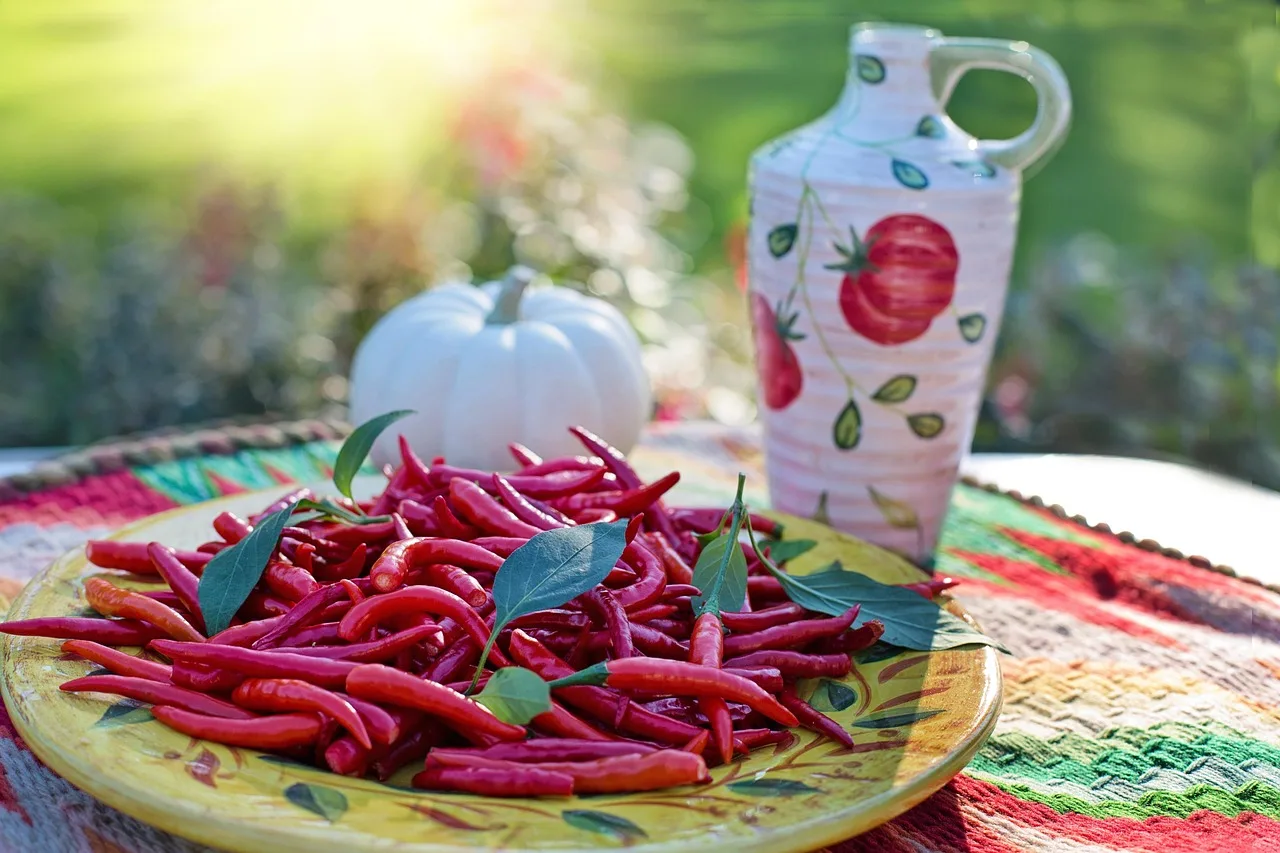
Louisiana hot sauce starts with cayenne. Makers crush the peppers with salt, pack the mash into barrels or tanks, and let it age. Tabasco ages its mash in oak, and smaller Louisiana producers run anywhere from a few weeks to a year or more. The aged mash is then thinned with distilled vinegar and bottled.
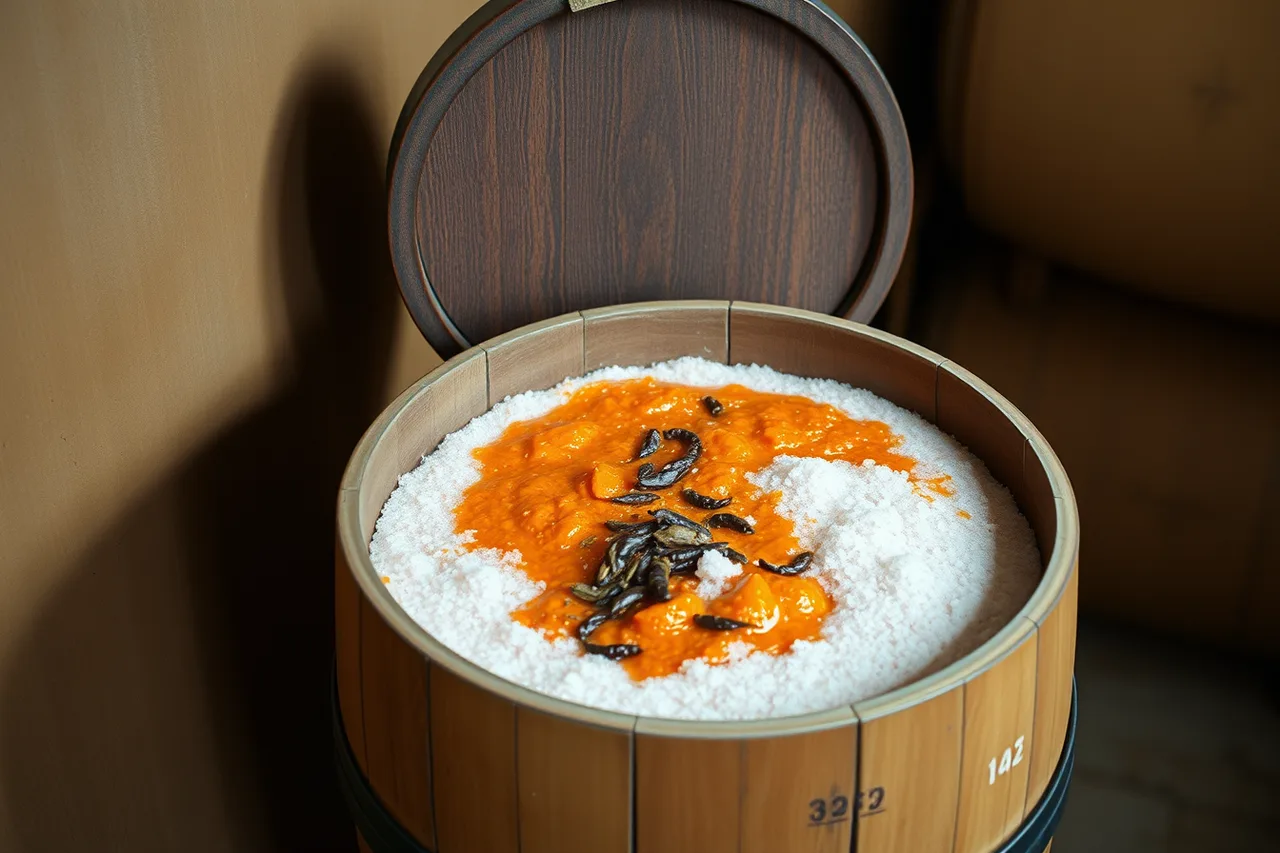
Wikipedia's overview of hot sauce treats Louisiana style as a cayenne and vinegar formula and lists Texas among the American regional styles.
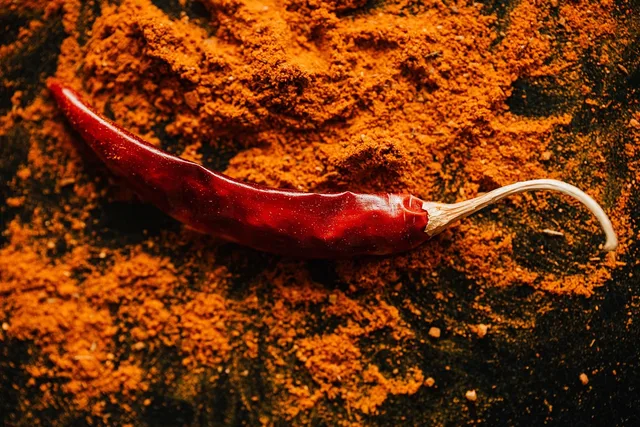
Texas style is less a recipe than a habit of blending. Jalapeno, serrano, arbol, pequin and chipotle turn up together. Garlic and cumin appear far more often than they do in a Louisiana bottle. Some Texas producers add tomato paste for color and body, which pulls the texture away from the free-pouring Louisiana pour.
The word Texas on a label is not a geographic claim. Texas Pete has been made in Winston-Salem, North Carolina since the 1930s.
How acid and body diverge
Vinegar does most of the work in Louisiana style. High acid, low solids, and a pH low enough to sit out on a diner table. Commercial cayenne mashes typically land near pH 3.0 to 3.5, an illustrative range that shifts with the maker.
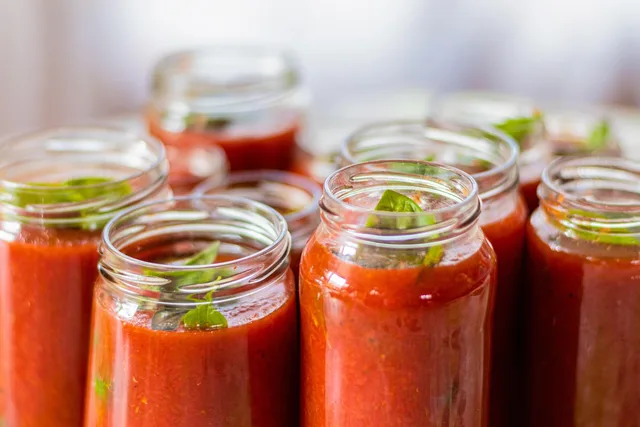
Texas style carries more solids from tomato and blended peppers. More solids mean more water and a slower route to stability. A commercial version falls under 21 CFR Part 114, the federal rule for acidified foods, which requires a scheduled process and documented controls.
Because acid level decides shelf life, pH Meter vs Test Strips explains why two measurement tools can disagree right at the line that matters.
Criteria that separate the styles
Louisiana style
- Pepper base
- Cayenne, salted and aged
- Acid source
- Distilled vinegar, high share
- Body
- Thin, free-pouring
- Aging
- Mash aged weeks to years
- Common pairings
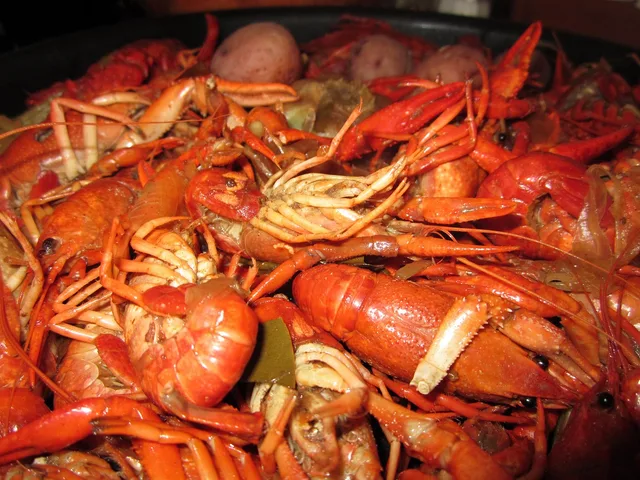
- Oysters, gumbo, greens, eggs
- Heat
- Medium and steady
Texas style
- Pepper base
- Blend of jalapeno, arbol, serrano, chipotle
- Acid source
- Vinegar plus tomato acidity
- Body
- Thicker, sometimes chunky
- Aging
- Usually brief or none
- Common pairings
- Brisket, chili, tacos, eggs
- Heat
- Wide, set by the blend
What each style asks of a maker
Aging cayenne mash takes space and time, so Louisiana style rewards patience more than equipment. Texas style asks for a blend that stays consistent batch to batch, because the flavor comes from the mix rather than the pepper alone. Both reward a maker who writes the recipe down the first time and repeats it exactly.
Home sales are a separate question, and US Cottage Food Laws sets out which states allow a home kitchen to sell hot sauce and which do not.
Where each style earns its place
A Louisiana bottle is right when food needs a lift rather than a cloak. Raw oysters, gumbo, collard greens and fried eggs all take it well, and the sauce cuts salt and fat before it gets out of the way. Its thin body spreads through a pot of beans instead of sitting on top.
Texas style belongs on food that can carry weight: brisket, chili, breakfast tacos, smoked sausage. The thicker body clings to meat, and the smoke from chipotle and arbol meets smoke from the pit. The blend also gives a maker room to build a house flavor.
The limitation neither one fixes
Neither name is protected. Any producer in any state can print Louisiana or Texas on a label, and a sauce made in Ohio can claim either. Heat is not standardized either, and two bottles of the same style can sit several Scoville bands apart.
A regional name on a bottle describes an intention, not an origin or a recipe.
Scheduled Process for Acidified Hot Sauce covers the filing step once a sauce moves from market stalls into wholesale.
Common questions
Is Texas Pete made in Texas?
No. It is produced in Winston-Salem, North Carolina and has been for decades. The name points to a style of sauce, not a place of manufacture.
Which style is hotter?
Neither by definition. Heat follows the pepper and how much mash or puree reaches the bottle, so a mild arbol blend can sit below a standard cayenne sauce. Style does not set heat, and the pepper list and dilution do.
Can I skip the aging step?
Yes, and many small makers do. A fresh cayenne mash with vinegar tastes brighter and less rounded than an aged one, so it will not read as a classic Louisiana bottle. That is a choice, not a fault.
Do I need to refrigerate either style?
A properly acidified bottle keeps at room temperature before opening. After that, flavor fades faster on the shelf, and any sauce with tomato solids is better chilled. California Farmers Market Hot Sauce Permit is worth reading if you plan to sell at a market and want to know what a county office will ask for.