Features
How New Orleans pepper sourcing and seasonality shape Louisiana hot sauce
Louisiana pepper sourcing runs on named varieties, tight harvest windows and Gulf weather, and those three set hot sauce recipe timing and pricing.
What to take away
- Louisiana pepper sourcing centers on Tabasco, cayenne, jalapeno and habanero types grown across Iberia, St. Martin, Lafayette and Terrebonne parishes.
- Harvest windows run roughly July through November, and a sauce maker's cook date has to follow the field, not the calendar.
- Mash style hot sauce, barrel aged for months to years, needs pepper volume committed before the season starts.
- Hurricane season and summer heat drive price swings that show up in contracts long before they show up in bottles.
- Most Louisiana growers sell through co-ops and processors near New Iberia and Avery Island, so a buyer's first call is usually a processor, not a farm.
The pepper varieties behind Louisiana hot sauce
Louisiana hot sauce begins with a short list of varieties. Tabasco pepper, a small tapered Capsicum frutescens, is the one most associated with the state. Cayenne types, jalapeno, and habanero round out the field for makers who want heat range or a fruitier profile.
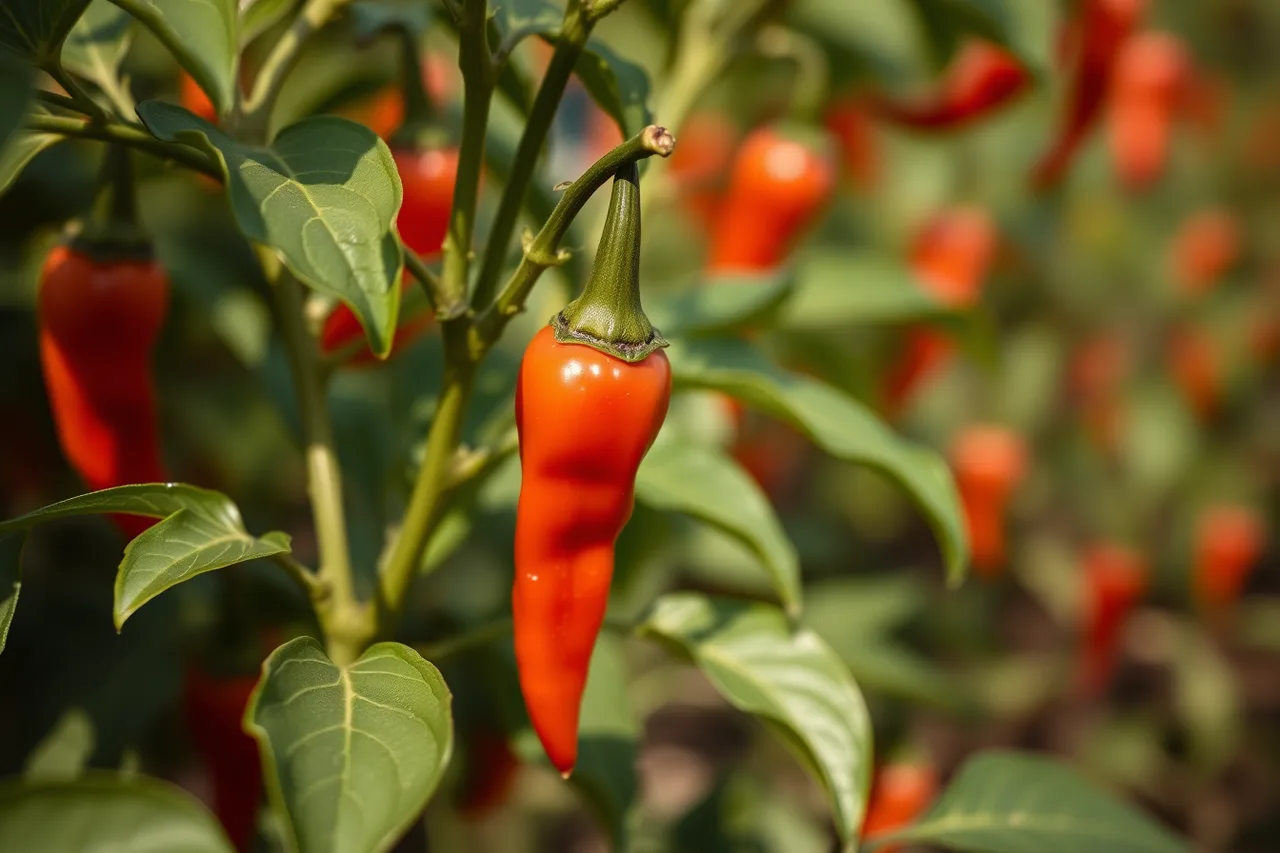
Tabasco pepper is thin walled and juicy, which suits mash fermentation. Cayenne dries well and holds color, so it carries both sauce and seasoning lines. Jalapeno brings green vegetal notes and is often blended in for body. Habanero, grown more in the southern parishes, adds tropical flavor at the top of the heat scale.
A sauce maker choosing varieties is really choosing a process. Thin-fleshed peppers ferment and strain cleanly. Thick-fleshed peppers need more cooking and more filtration. That decision, made in winter, determines what a buyer asks a grower to plant.
Regional pepper blends matter here. A south Louisiana blend might combine cayenne for color, Tabasco for acid and aroma, and a small share of habanero for finish.
Makers who work outside the state often copy the blend without matching the field conditions, which is why texas vs louisiana hot sauce comparisons usually come down to pepper type and mash time rather than brand style.
Seed supply is its own constraint. Tabasco seed is closely held by the largest grower in the state, so independent makers lean on cayenne and habanero for differentiation. That pushes small producers toward contract growing or toward import channels covered later in this guide.
Harvest windows and how seasonality sets recipe timing
Louisiana peppers come in waves. Early fields in the southern parishes start picking in July. The main crop runs August through October. A late flush can stretch into November if the first cold front holds off.
Those windows set recipe timing more than most makers expect. Mash style hot sauce needs fresh pepper at peak sugar, so the ferment has to start within days of harvest. A maker who misses the window either buys frozen or salted mash, or waits a year.
Cayenne for drying follows a slightly different clock. Growers cut and dry in late summer and early fall, which is why dried cayenne prices settle in the fourth quarter. Sauce makers who buy dried pepper for year-round production watch that settling point closely.
Weather data drives the timing decisions. Growers and buyers track growing degree days and rainfall through the season, and the National Weather Service outlooks published by Weather | National Oceanic and Atmospheric Administration inform when fields will peak. A hot, dry August can push harvest earlier and shrink berry size.
Seasonality also sets cash flow. A maker who commits to fresh mash in August pays for pepper, barrels and labor before any bottle sells. That is why small batch sauce production planning usually starts with the harvest date, not the launch date.
Harvest windows and seasonality
| Month | Field activity | What sauce makers do |
|---|---|---|
| June | Planting established, fields growing | Lock contracts, order barrels, test recipes |
| July | Early pick in southern parishes | Start first mashes, check sugar and moisture |
| August | Main harvest begins | Run peak ferment volume, brine and salt orders |
| September | Peak harvest | Fill barrels, freeze or salt surplus mash |
| October | Harvest winds down | Finish mashes, begin aging schedule |
| November | Late flush, first fronts | Close out fresh contracts, plan dried buys |
Regional blends and mash styles across south Louisiana
Mash style hot sauce is the Louisiana default. Peppers are ground with salt and aged in barrels or tanks, then blended, strained and bottled. The salt level, the barrel type and the aging time separate one maker from another.
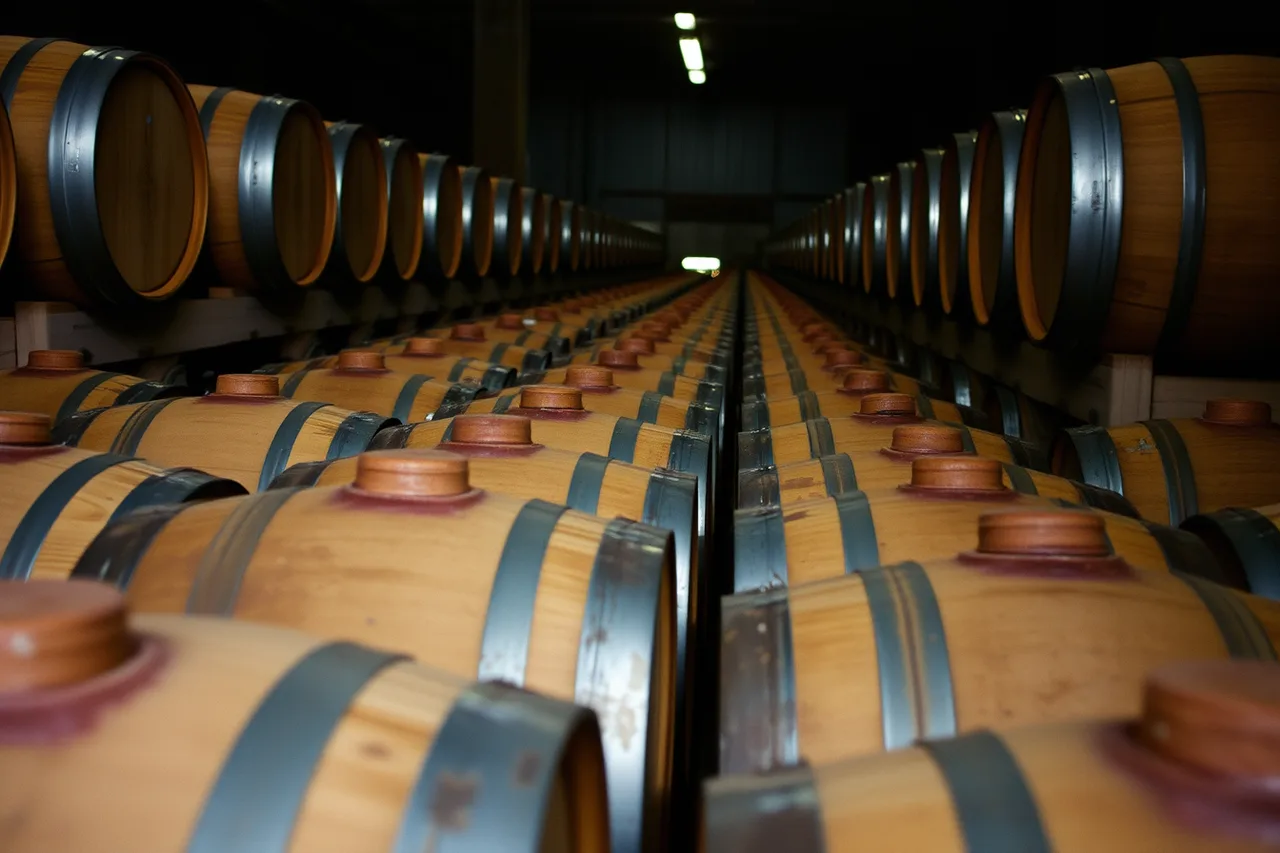
The classic method ages mash in wooden barrels for months to years. Wood allows slow oxygen exchange and concentrates flavor. Stainless tanks age faster and cleaner, which suits makers who want a brighter, more consistent product.
Blends vary by parish. Around Avery Island and New Iberia, the mash tradition is long and salt heavy. Further west toward Lafayette and Opelousas, growers mix cayenne and jalapeno for a rounder sauce. In Terrebonne and Lafourche, habanero appears more often in small proportions.
Vinegar choice follows the blend. Distilled vinegar keeps the pepper profile forward. Cider and cane vinegars add sweetness that suits fruitier blends. Some makers ferment peppers in brine first, then add vinegar at bottling, which shortens the aging cycle.
Regional pepper blends also show up in dry seasoning. The same cayenne and Tabasco lots that go to sauce often go to spice houses, and makers building a seasoning line can look at how american spice blends makers handle intake, grinding and blending before committing to a co-packer.
Consistency is the hard part. Barrel aging varies by position in the rickhouse, so most producers blend several barrels to hit a target profile. A small maker without a barrel program can still use mash, but should expect to buy it pre-aged or to accept batch variation.
Weather, hurricanes and their effect on pepper supply and pricing
Gulf weather is the largest single risk in Louisiana pepper sourcing. Tropical systems can strip fields, flood low ground and delay harvest by weeks. A single landfall near peak season can remove a large share of the fresh crop.
Forecasters publish seasonal outlooks that growers and buyers use for planning. NOAA's hurricane outlook is one input into contract terms, and the agency's hurricane season outlook is read closely by processors along the coast. A below-normal forecast does not remove risk, but it changes how much pepper buyers contract in advance.
Heat and drought matter as much as storms. A dry July reduces berry size and yield. A wet August invites disease, especially in dense plantings. Both push prices up, and both are visible in the climate data that growers and extension agents track through the season.
Price effects arrive in stages. Fresh mash prices rise first, often within days of a storm. Dried pepper prices follow over weeks as buyers shift to storage stocks. Bottled sauce prices move last, and only after existing inventory sells through.
A recent season shows the pattern. Hurricane Ida made landfall near Port Fourchon on 29 August 2021 as a Category 4 storm, at the front of the main harvest window. NOAA counted 21 named storms in the 2021 Atlantic season, and Katrina reached the coast on the same calendar date in 2005.
For a maker holding a September delivery date, that timing is the hard case. The field cannot cover the contract, and stored or imported mash has to fill the gap. Contract terms written before the season are one place that risk gets priced.
Insurance and logistics add cost after a storm. Trucking out of south Louisiana gets expensive when ports and highways close. A maker with a delivery commitment in September should build in a buffer for both time and freight.
Sourcing from growers, co-ops and processors near New Orleans
New Orleans is a port and a market, not a pepper growing center. The fields sit west and southwest of the city, along the bayou parishes. A buyer based in New Orleans is usually working with growers and processors two to three hours away.
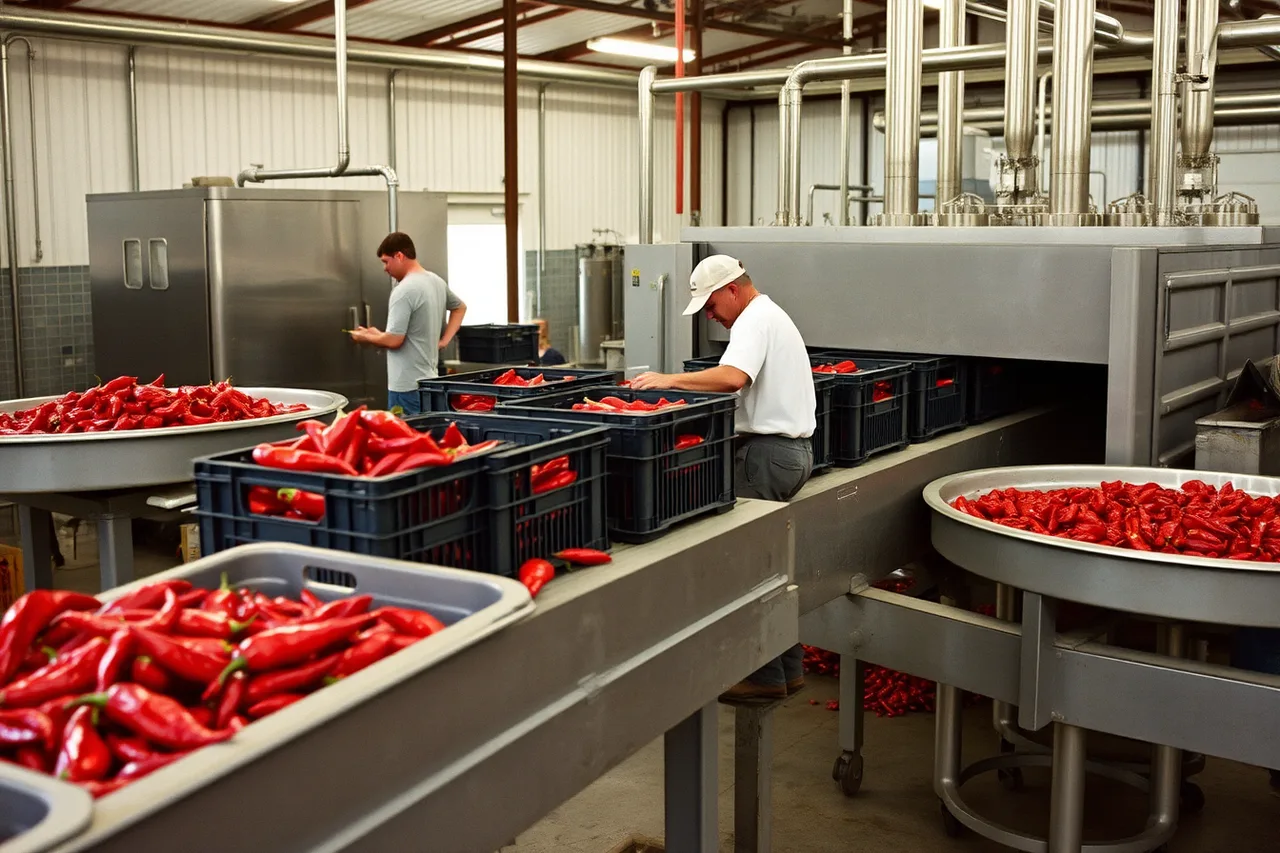
The practical path runs through processors. Large operations around Avery Island and New Iberia contract acreage, supply seed, and take delivery of fresh pepper for mashing. Independent makers can often buy mash, crushed pepper or finished sauce base from these processors without owning a field.
Two processors anchor that corridor. McIlhenny Company, on Avery Island, makes Tabasco brand pepper sauce and contracts pepper acreage across Iberia and St. Martin parishes. Bruce Foods Corporation, in New Iberia, produces the Louisiana brand hot sauce line and Cajun Injector products.
Both buy fresh pepper on contract, so a maker should ask early what small volumes of mash, crushed pepper or sauce base they can sell off contract. Parish extension offices run by the LSU AgCenter publish variety and crop guidance and can point a buyer toward growers.
Co-ops and grower groups fill the middle. Parish-level groups pool pepper from smaller farms, which gives a maker access to volume without signing multiple contracts. Terms usually specify variety, heat range, delivery window and a price tied to grade.
Prices move with grade and form, and the numbers here are typical planning ranges, not quotes. Salted fresh mash from a Louisiana processor commonly falls in the $3 to $7 per pound band, and bulk dried cayenne runs about $2 to $5 per pound.
Barrel aging adds roughly $1 to $3 per pound once cooperage, warehouse space and evaporation loss are counted. Confirm the current numbers with the processor before signing.
Direct grower contracts suit makers who want a named variety and a story. Expect to commit acreage in winter, pay a deposit, and accept yield risk. A written agreement should cover grade standards, delivery dates, rejection terms and what happens if a storm cuts the crop.
New Orleans also offers warehouse and cold storage capacity close to the port, which helps makers who blend imported and domestic pepper. That mix is common, and it is where makers often find their margin by pairing local mash with imported bulk pepper for volume lines.
Importing peppers and the permits that apply
Not every pepper a Louisiana maker uses grows in Louisiana. Dried cayenne, paprika and specialty chiles arrive from Mexico, Peru, India, China and Spain. Importing them means dealing with federal rules before the container moves.
Most pepper imports do not need a dedicated import license. What they need is an importer of record, correct tariff classification, and compliance with Food and Drug Administration rules for food. The federal government's import license and permit guide explains when a permit is required and which agency issues it.
In practice the paperwork is specific. U.S. Customs and Border Protection classifies the shipment under the Harmonized Tariff Schedule and takes entry on CBP Form 7501. The FDA side is prior notice for imported food, filed through the Prior Notice System Interface, plus a current registration for the foreign facility.
FDA requirements apply to the food itself. Foreign suppliers should be registered, and importers should expect prior notice filing, possible detention and sampling at port, and FSMA preventive controls if the pepper is further processed. Spice shipments are routinely tested for salmonella and pesticide residues.
USDA rules apply when a maker wants organic pepper. Organic imports need a USDA organic certificate under the National Organic Program, and the certificate has to travel with the shipment. State departments of agriculture handle food processing licenses for the facility that will handle the pepper after arrival.
Practical steps for a first import:
Importing peppers and permits
- Confirm the tariff classification and duty rate for the specific pepper form, whole, crushed or ground.
- Verify the foreign supplier's FDA registration and ask for a certificate of analysis.
- File prior notice before the shipment arrives.
- Line up a customs broker and a bonded warehouse near the port.
- Budget for testing, detention time and possible reconditioning.
Importing is usually cheaper per pound than domestic mash, but the lead time is longer and quality varies by lot. Makers who blend imported and local pepper should test every lot for heat, moisture and microbial load before it goes into a batch.
Makers who also sell into Canada work under a different rule set, including ontario farmers market hot sauce rules on permits, labelling, and fees.
Planning a production calendar around the Louisiana season
A Louisiana pepper calendar starts in winter and ends in the barrel. Work backward from the harvest window and the aging time your recipe needs.
- Confirm variety and acreage with a grower or processor by February.
- Set the fresh pepper delivery window and grade standards in writing.
- Order salt, barrels or tanks and vinegar before July.
- Schedule the first mash within days of the first pick.
- Reserve cold storage or drying capacity for surplus pepper.
- Track NOAA outlooks monthly and adjust contract volume if risk rises.
- Lock import orders for bulk dried pepper at least one quarter ahead.
Here is a worked example. A maker wants 2,000 bottles of mash style hot sauce for spring release. Aging takes six months, so the mash has to be made by October. That means fresh pepper in September, which means a contract signed by March and barrels on site by August.
If a storm cuts the crop, the maker either buys pre-aged mash at a premium or moves the planned release to the next season. Either way, hot sauce production costs should show that switch as a line item, not a surprise.
Pricing follows the same logic. Fresh mash costs more per pound than dried pepper, and barrel aging adds storage and evaporation loss. A maker who plans the calendar around the Louisiana season can lock input costs early and hold retail price steady through the year.