Reviews
Part of 5 lessons worth learning about independent condiment brands
Independent brands, reviewed without the sales pitch
Six independent condiment and spice brands worth a shelf slot, what each one does well, and how to judge the rest of the labels without the sales copy.
What to take away
- Small-batch does not mean well made. Judge an independent condiment brand on its ingredient panel, net weight and label claims, not its story.
- The six brands below are established independents with published ingredient lists you can check before you buy.
- A condiment built for one dish beats one built for everything. Ask what the maker had in mind.
- Buy one jar before you commit shelf space. Velocity on your own shelf is the only review that pays.
- If a label says "small batch" and nothing else, treat the claim as decoration.
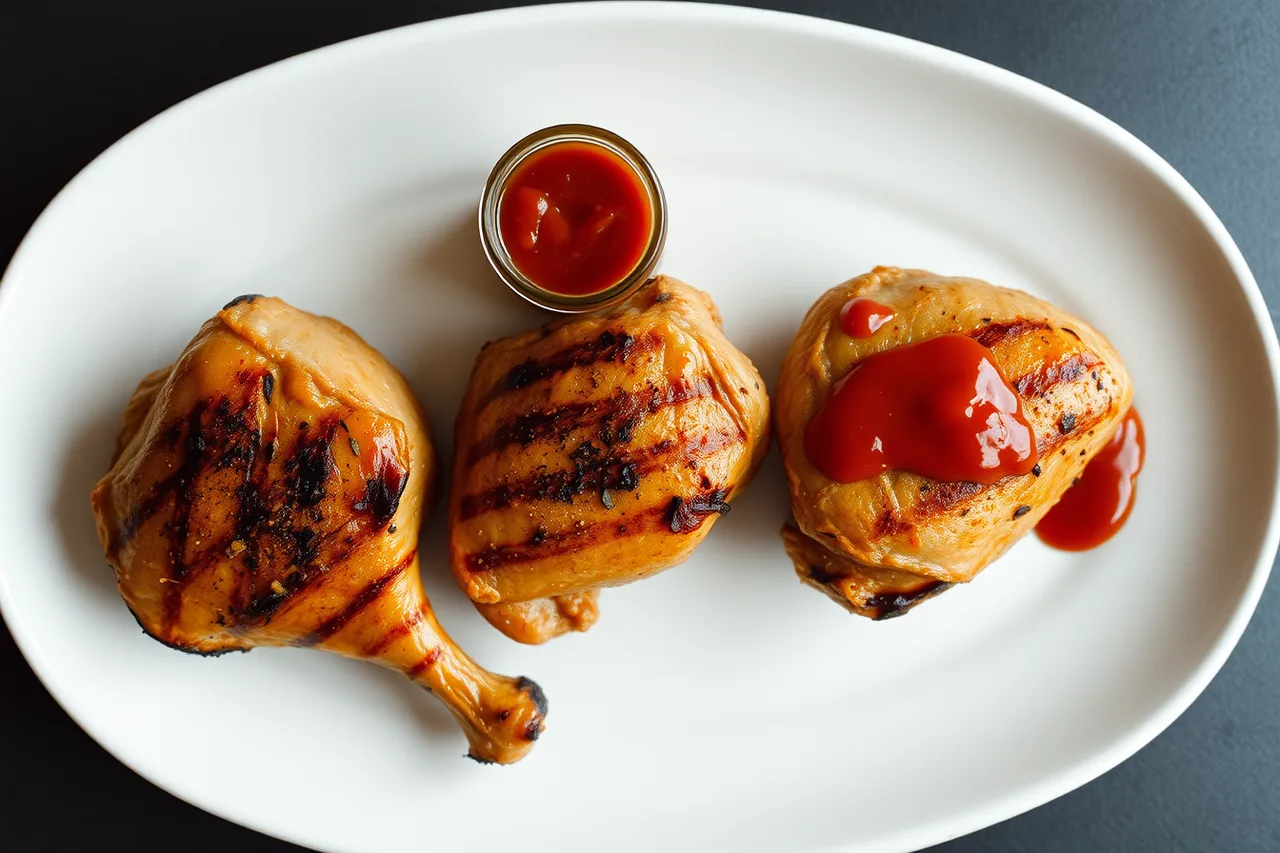
Six independent condiment and spice brands
These are real, long-running American independent makers with published ingredient lists you can check before you buy. Each entry gives what it is, who it suits, and a typical price range as of 2026. None of these entries rely on the maker's sales copy.
We selected them by screening independent US makers that publish an ingredient list, state a net weight, and name a farm or region on the label, then narrowing to six that sell both direct and through retail.
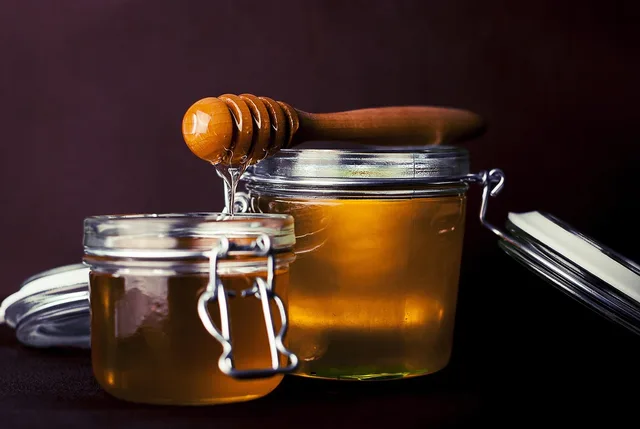
Mike's Hot Honey, Brooklyn. Chili-infused honey with a vinegar edge. Suits pizza, fried chicken, cheese and cocktails. Sold direct and through grocery at a mid-premium jar price. The honey base clings where a thin sauce runs off. Typical price: about $10 to $12 for a 12-ounce bottle. The ingredient list is honey, chili peppers and vinegar.
Caveat: the honey is sweet, so it can overpower delicate dishes, and the bottle goes fast if you use it often.
Fly By Jing, Los Angeles. Sichuan chili crisp and zhong sauce built on fermented broad bean and rapeseed oil. Suits noodles, dumplings, eggs and rice. Mid-premium to premium, direct and in specialty grocery. The crunch survives on hot food. Typical price: about $15 for a 6.8-ounce jar. The jar lists fermented broad bean, rapeseed oil and Sichuan peppercorn.
Caveat: the jar is small for the price, and the crunch fades once the jar is opened.
Burlap & Barrel, New York. Single-origin spices bought direct from named farms, with the farm and region printed on the tin. Suits bakers, spice-forward cooks and anyone who wants to know where a pepper grew. Premium, direct and specialty retail. The origin line is verifiable. Typical price: $8 to $15 per tin, depending on the spice. Their website names the farm for each product.
Caveat: tins are small and priced per spice, so building a full rack adds up quickly.
Diaspora Co., Oakland. Single-origin turmeric, cardamom, pepper and chai masala, sourced from named farms in India and Sri Lanka. Suits cooks replacing commodity jar spices. Premium, direct and specialty grocery. Their published farm-gate pricing is unusual in the trade. Typical price: about $12 to $15 for a 3.5-ounce jar of turmeric. The label names the farm and harvest year.
Caveat: the range is narrow, focused on a few spices, so it is not a one-stop shop.
Jacobsen Salt Co., Portland. Flake and kosher sea salt harvested on the Oregon coast, plus infused salts. Suits finishing, curing and gift sets. Mid-premium to premium. The flake is a finishing salt, not a brine salt. Typical price: about $12 to $20 for a 4-ounce tin of flake salt. The label states the harvest location.
Caveat: the flake is a finishing product, so it is an expensive way to salt pasta water.
HEATONIST, New York. A hot sauce retailer and house label carrying dozens of independent makers under one roof. Suits a buyer who wants to taste widely before committing. Retail pricing runs $10 to $18 per bottle, with sampler packs around $40 for ten. The site lists the maker and ingredients for each sauce. Useful as a market survey in a box.
Caveat: it is a retailer, not a single maker, so quality varies from bottle to bottle across the labels it carries.
That is six. If you want a seventh, the checkable criteria are these: a named maker, a published ingredient list, a stated net weight, and a farm or region you can look up.
Here is the six at a glance.
| Brand | Category | Typical price | Where sold | Best use |
|---|---|---|---|---|
| Mike's Hot Honey | Chili-infused honey | $10 to $12 for 12 oz | Direct and grocery | Pizza, fried chicken, cheese |
| Fly By Jing | Sichuan chili crisp and zhong sauce | About $15 for 6.8 oz | Direct and specialty grocery | Noodles, dumplings, eggs, rice |
| Burlap & Barrel | Single-origin spices | $8 to $15 per tin | Direct and specialty retail | Baking, spice-forward cooking |
| Diaspora Co. | Single-origin spices | About $12 to $15 for 3.5 oz turmeric | Direct and specialty grocery | Replacing commodity jar spices |
| Jacobsen Salt Co. | Sea salt and infused salts | About $12 to $20 for 4 oz flake | Direct and specialty retail | Finishing, curing, gifts |
| HEATONIST | Hot sauce retail and house label | $10 to $18 per bottle | Direct and retail | Tasting widely before committing |
What the sales copy hides
A brand's own page will tell you the sauce is handcrafted. It will not tell you the net weight, the pH, or who co-packed it.
Read the ingredient panel first. Ingredients are listed by weight, so the first three tell you what you are actually buying. A chili sauce whose first ingredient is sugar is a sugar sauce.
Then check the net contents against the jar. A short fill is a short fill, and it is the fastest way to lose a repeat customer.
For a foodservice buyer the question changes. A foodservice pack is opened, used at speed and refilled rather than kept in a door shelf, so the review is about how the product behaves on a station, not on a spoon.
Taste it the way it will be eaten
On the dish, that same sauce often needs more salt, less acid and a longer finish.
So review on food. Chili crisp on plain rice. Hot honey on fried chicken. Turmeric in a pot of lentils. The jar has to earn its place in a real meal.
USDA's overview of macronutrients covers carbohydrate, protein, fat and water and links to the reference intake material behind them. It is useful grounding when you are working out why a sauce behaves differently on a lean protein than on a fatty one.
Keep the two tests apart. A descriptive panel tells you what the sauce tastes like. A preference test tells you whether people want more of it. Keeping the two apart is what makes the dose finding usable.
| Anchor type | What the sauce needs |
|---|---|
| Fatty, such as fried chicken | More acid and salt, less sweetness |
| Lean, such as grilled fish | Less acid, more body, some fat |
| Sweet, such as roasted squash | Savory depth and acid, not more sugar |
| Starchy, such as rice or noodles | More intensity, because starch dilutes |
| Cold, such as a cheese board | More aroma and acid, since cold suppresses both |
The cook's side of this, with bridges, contrasts and timing, is covered in our seasoning pairing guide.
Checking a spice's origin claim
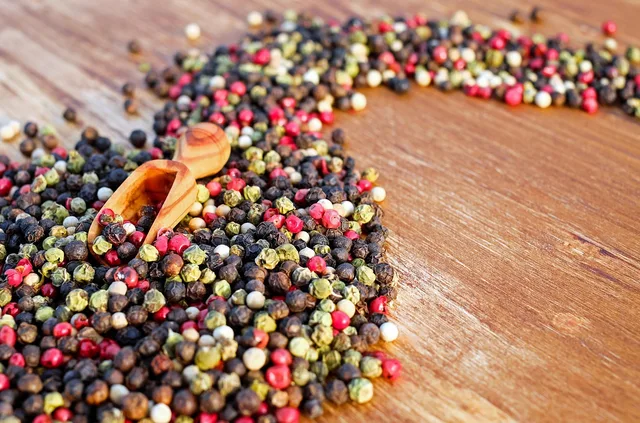
Single-origin is the most abused phrase in the spice aisle. Some brands mean it. Some mean the spice passed through one country.
USDA's grade standards for fruits and processed fruit products cover fresh, canned, preserved and juice products, but they say nothing about spices. That is why the next test matters.
Apply the same discipline to pepper and turmeric. Ask for the farm, the region and the harvest year.
A brand that can answer is a brand worth stocking. A brand that cannot is selling you a story.
5 lessons worth learning about independent condiment brands is a good next read if you want to see how those claims get built in the first place.
Common questions
Can I trust a brand's own tasting notes?
No, and you are not meant to. Treat them as a claim to test. Buy one unit, taste it on the dish the maker suggests, and compare that against what the label promised.
What if the brand is too small to have a co-packer listed?
Ask them directly, and ask for their food safety documentation. A maker who has done the work will answer. A maker who has not will change the subject.
Should I stock a brand because it is local?
Only if it sells. Local is a reason to taste it first, not a reason to give it shelf space it has not earned. Velocity decides.
How many brands should I carry in one category?
Enough to give a customer a choice, few enough that each one turns. Two or three chili crisps will outsell eight.