Reviews
Part of 4 things to understand about specialty seasoning ideas
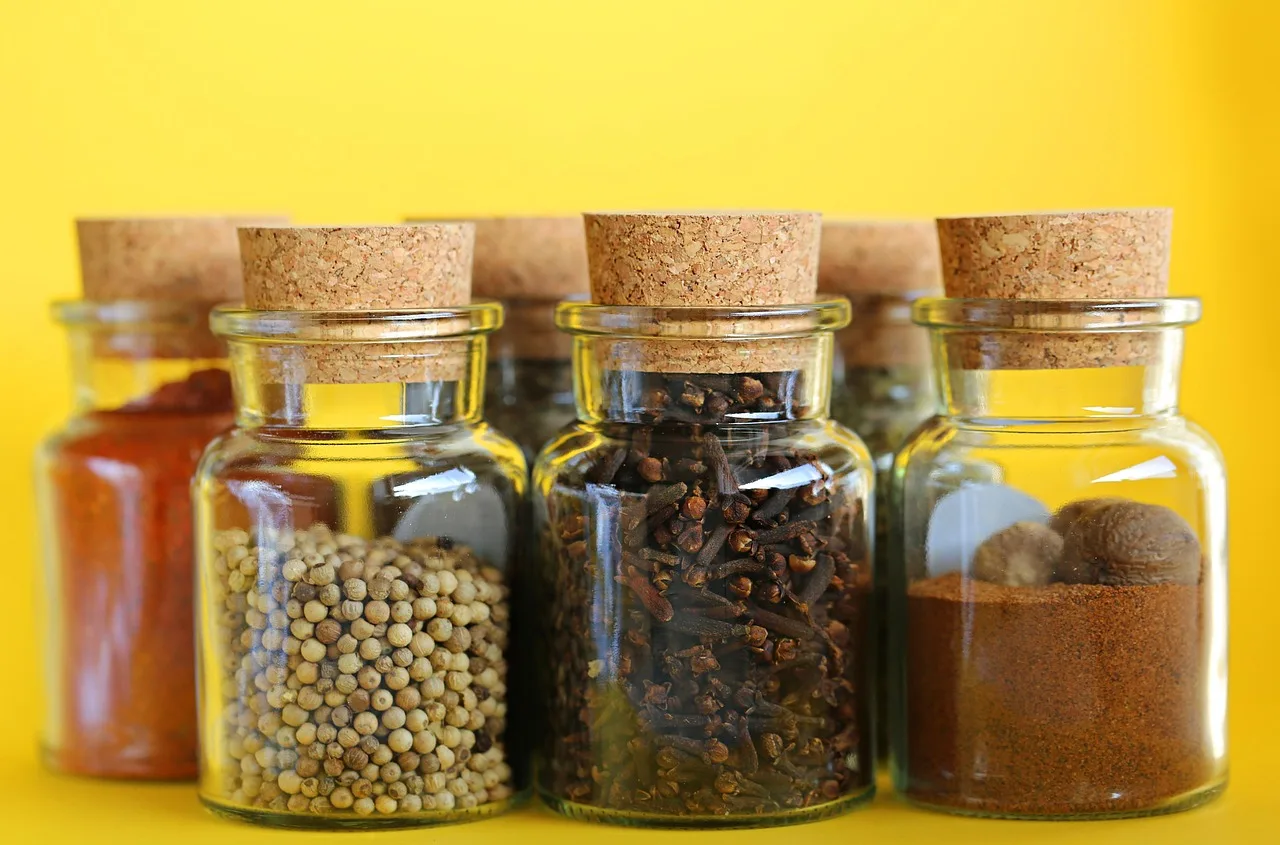
Moisture, heat and light: what actually degrades a seasoning blend
Why seasoning blends fade and when they become unsafe: moisture, heat, light and oxygen, plus the mold toxin risk that makes dry storage a safety question.
What to take away
- Four enemies act on a blendmoisture, heat, light and oxygen. Moisture is the one that turns a quality problem into a safety problem.
- Ground spices fade faster than whole ones, and blends containing salt or sugar pull water out of the air.
- Never shake a blend over a steaming pan. That single habit ruins more jars than poor storage does.
- Damp storage of dried ingredients can allow mold growth and the toxins that come with it, which is a health issue rather than a flavor issue.
What actually degrades in the jar
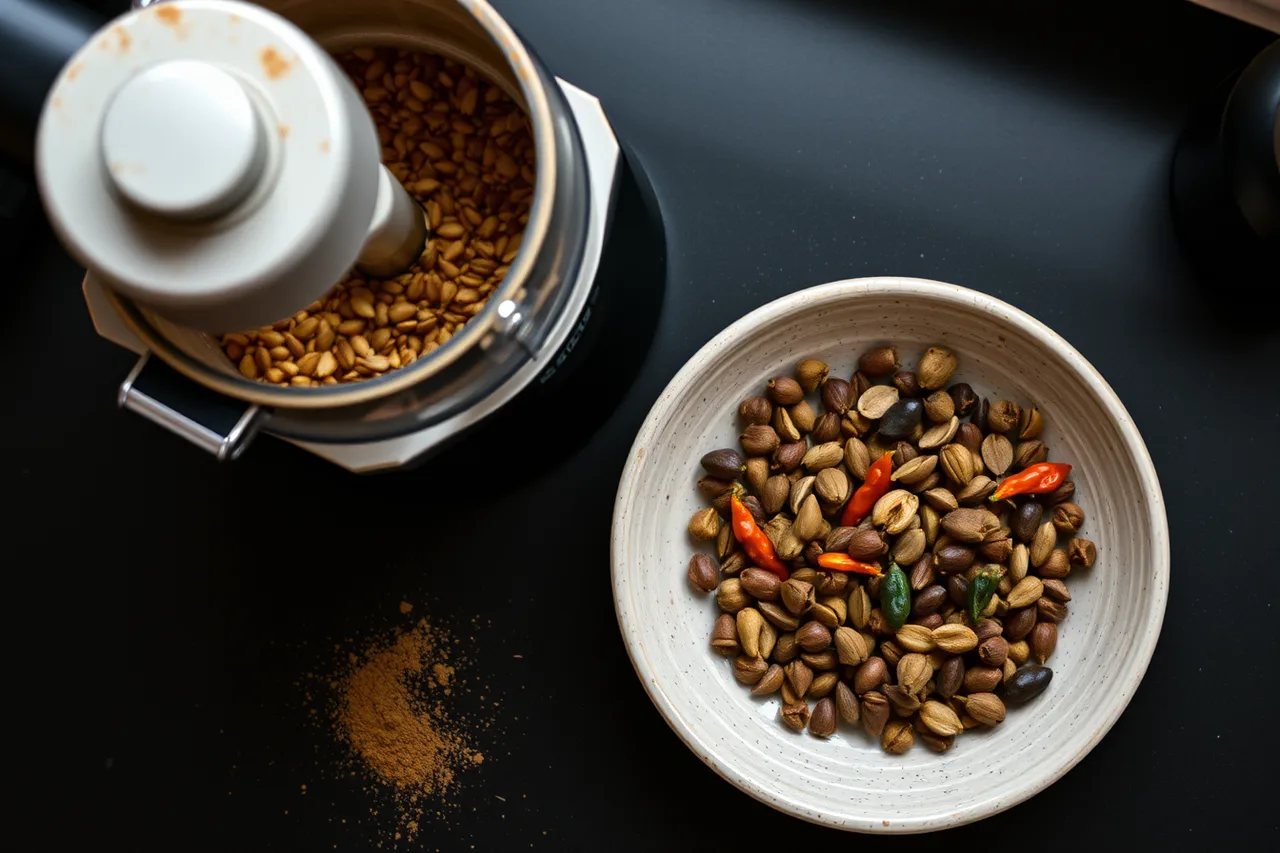
Aroma lives in volatile compounds that escape, and color fades under light. Fats in seeds and nuts oxidize and turn rancid, so a seed-heavy blend goes stale faster than a salt-heavy one.
None of this is dramatic on any single day, which is why people miss it. A blend does not spoil so much as quietly become a different, duller product.
Grinding accelerates everything by exposing surface area. That is the argument for buying whole and grinding weekly, and for making smaller blend runs rather than a year's worth at once. The shopping version of the same rule is to buy the size you will actually finish, since a large tin bought cheaply per gram is dull by the last third.
The moisture rule
Moisture is different from the other three because it does more than dull flavor. Damp conditions allow mold growth on dried plant material, and some molds produce toxins. The National Agricultural Library's collection on natural toxins in food gathers the research literature on aflatoxins and related mycotoxins, including USDA work on reducing aflatoxin in crops.
The practical translation for a small blender is short: keep dried ingredients dry, reject a damp delivery, and do not try to save a caked jar by drying it out.
Where a supplier claim needs checking, testing exists. AMS operates laboratory testing and approval services through its National Science Laboratories, a fee for service network providing chemical, microbiological and bio-molecular analysis on food and agricultural commodities, and it also runs laboratory approval programs. That is the route when a buyer asks for evidence rather than assurances.
Practical storage rules
| Rule | Reason |
|---|---|
| Airtight containers, filled close to the top | Less headspace means less oxygen |
| Away from the stove and the dishwasher | Heat and steam are the two fastest destroyers |
| Opaque containers or a dark cupboard | Light bleaches color and degrades aroma |
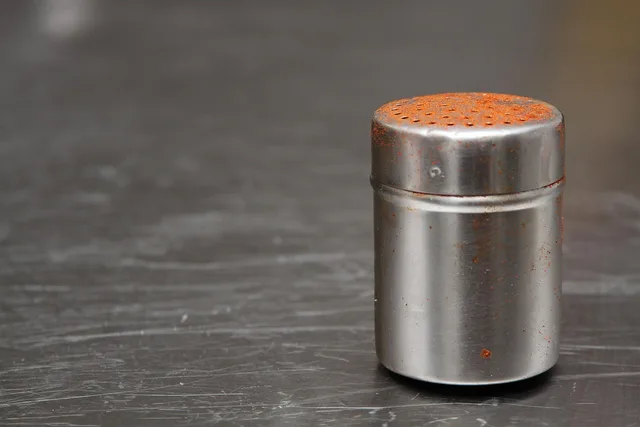
| Spoon out, never shake over a pot | Steam enters the jar and stays |
| Whole where possible, ground in small amounts | Surface area drives loss |
| Label with a fill date | You cannot judge age by looking |
Judging whether a blend is still worth using
Rub a pinch between your fingers and smell it. If the aroma is faint, the flavor will be too, and the fix is to use more or replace it. To settle it properly rather than by impression, weigh a matched dose of the old jar against a fresh one and score both.
If it smells musty, sour, or like old oil, discard it. If it has clumped hard, has visible mold, or shows any color change that was not there before, discard it rather than sieving it.
Blends that are part of a product line need the same discipline applied to the finished goods, not just the raw ingredients. The production day walkthrough covers how records tie a storage failure back to a specific lot, and the seasoning ideas list explains which blend styles are most vulnerable.